
How Active Streets Build Strong Cities - Part I
Building a More Resilient Adelaide through Activation
From Vibrancy to Safety to Economic Growth: How Active Streets Build Strong Cities
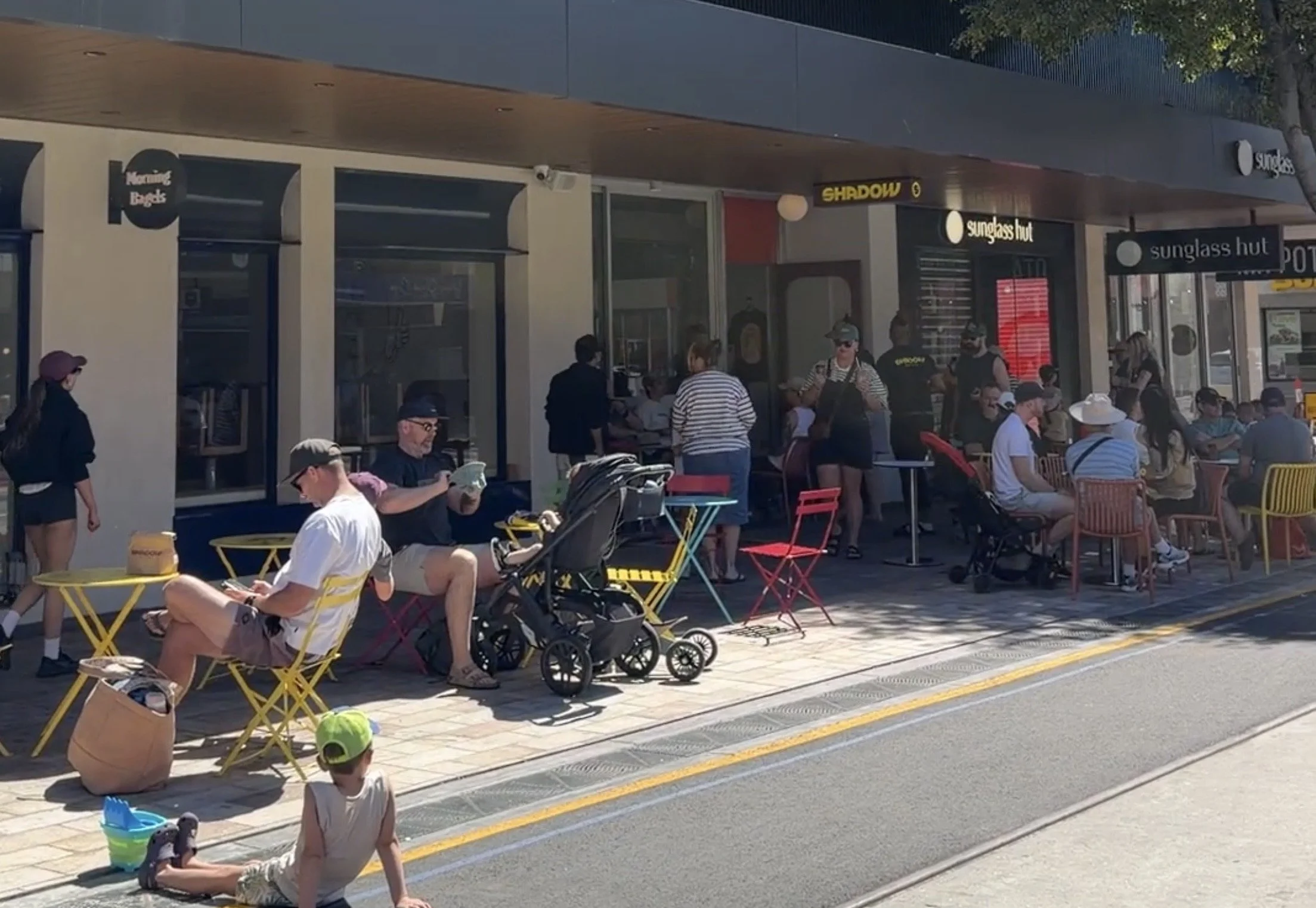
Great cities are not created through regulation alone; they are built through lived experience. Vibrancy is the first step. When streets are active, welcoming and well-used, people choose to spend time in them. Outdoor dining, street-level hospitality and everyday activation transform passive corridors into social places. Chairs on footpaths, lights in windows and people lingering after hours signal that a city is alive.
That vibrancy directly translates into safety. Busy streets increase natural surveillance, reduce the perception of risk and encourage positive behaviour. Urban design research consistently shows that people feel safer where there are other people present—particularly in the early evening and night-time economy. Activation creates a self-reinforcing cycle: people feel safer, so they stay longer; because they stay longer, streets remain safer.
Once vibrancy and safety are established, economic growth follows. People who linger spend more on food, retail, entertainment and accommodation. Businesses gain confidence to invest, employ and extend trading hours. Property owners see stronger demand. Over time, the city benefits from higher visitation, stronger employment and broader economic participation. Importantly, this form of growth is resilient because it is grounded in daily, repeat use rather than one-off events or short-term incentives.
Cities that understand this pathway increasingly treat hospitality and street activation as economic infrastructure rather than discretionary activity. Removing unnecessary barriers to outdoor dining and simplifying participation allows compliant operators to contribute to the public realm while maintaining accessibility, safety and amenity standards. The result is not a loss of control, but better outcomes through alignment of policy with how cities actually function.
Evidence from Comparable Cities
This pathway is well established in practice:
Melbourne expanded alfresco dining and reduced barriers to participation, reporting stronger street activation and improved pedestrian activity across the CBD and inner precincts. The policy focus shifted from permit revenue to long-term city vitality.
https://www.melbourne.vic.gov.au/business/permits-and-licences/Pages/outdoor-dining.aspx
City of Sydney explicitly links outdoor dining, late-night trading and street activation to safety and economic performance in its night-time economy strategy, noting that active streets support both public confidence and business growth.
https://www.cityofsydney.nsw.gov.au/strategies-action-plans/night-time-economy-strategy
New York City’s Open Restaurants Program demonstrated that permanent outdoor dining increased foot traffic, supported small businesses and improved neighbourhood safety through continuous activation of public space.
https://www.nyc.gov/site/dot/infrastructure/openstreets.page
Brisbane City Council has used alfresco dining incentives as a tool to drive CBD vibrancy, explicitly positioning hospitality activation as a lever for post-pandemic economic recovery and urban confidence.
https://www.brisbane.qld.gov.au/planning-and-building/business-and-commercial/footpath-dining
A Sustainable City-Building Lens
The key insight from these examples is that cities grow strongest when policy aligns with human behaviour. People are drawn to places that feel alive. Alive places feel safer. Safe places attract investment, talent and long-term economic activity.
Short-term fees and administrative barriers may generate modest revenue, but they can also suppress the very activity that underpins a thriving city. By contrast, enabling vibrancy—while maintaining clear standards for safety, accessibility and amenity—creates a broader and more durable economic base.
In an increasingly competitive urban landscape, cities that prioritise activation over friction, participation over penalty and long-term prosperity over short-term returns are the ones that succeed. Vibrancy is not an aesthetic choice; it is the first step in a proven pathway to safety, confidence and sustained economic growth.
Sta
Stay tuned for our follow up PART II where we dive into more detail.
About the CENTRE FOR RESILIENCE (C4R):
C4R - CENTRE FOR RESILIENCE is an independent, Australian-based Think Tank initiative advancing economic, social, infrastructure and leadership resilience through research, measurement and practical programs with business, government and community partners. Learn more at https://www.c4resilience.com/.
Media enquiries: via the C4R Contact page.