
Adelaide Central Market ranked 3rd Globally
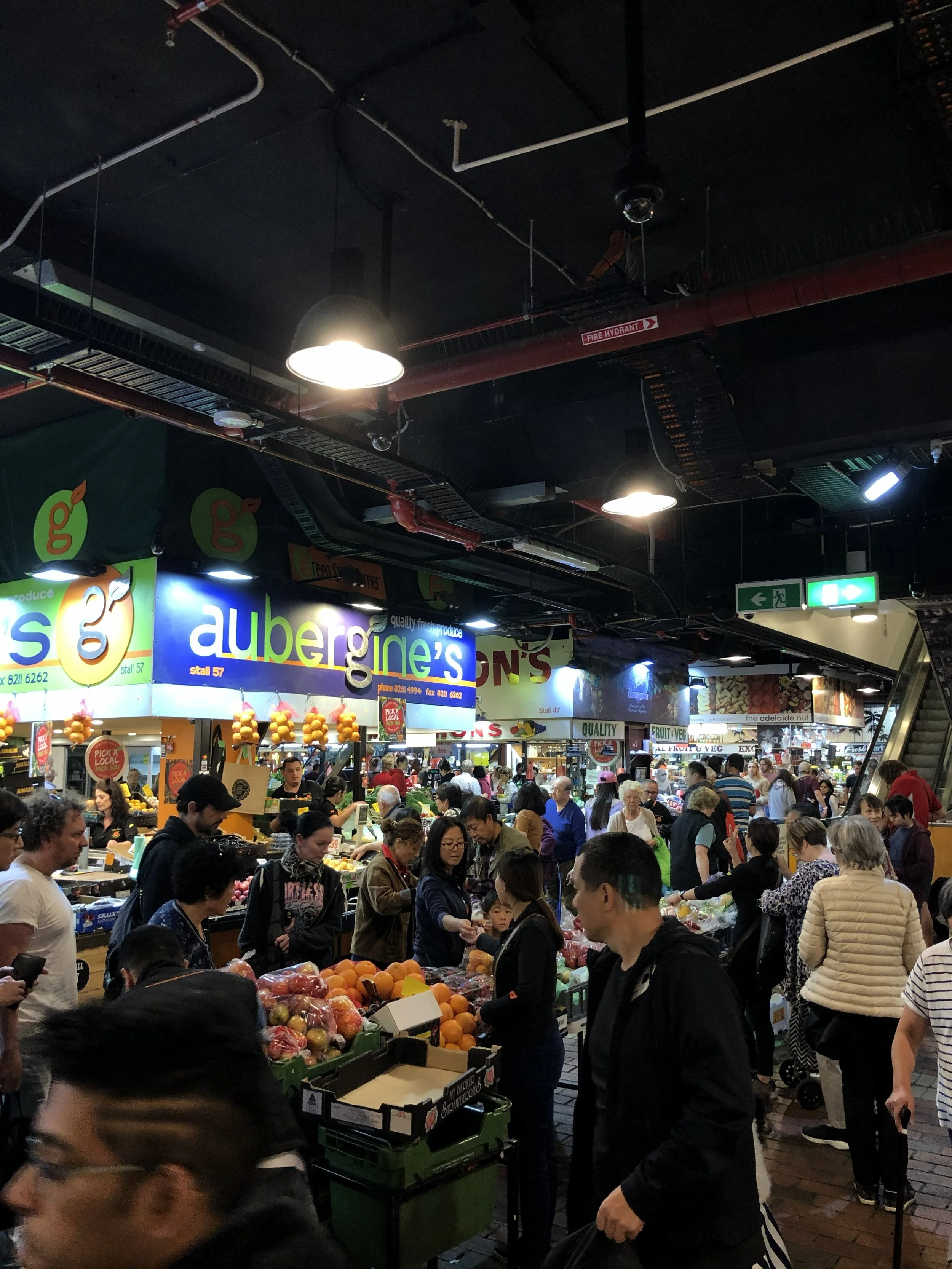
Adelaide Central Market has been named the world’s third highest-rated food market, adding fresh global weight to one of South Australia’s best-known civic and tourism assets.
Adelaide Central Market has taken another step from local institution to global calling card, after being ranked the world’s third highest-rated food market in a new review-based analysis of 100 major markets. The result is significant not simply because it places Adelaide on an international podium, but because it confirms something South Australians have argued for years: the market is not a side attraction, it is one of the city’s defining public assets.
The timing matters. This recognition arrives as the Market Square and Central Market Expansion project continues to reshape the precinct around the historic market. Official project information points to a substantial uplift in economic activity, including more than 1,000 construction jobs, over 1,000 ongoing workers, an estimated $135 million boost to the South Australian economy and an extra 1 million visitors a year on top of the market’s existing annual visitation. The broader project includes an expanded market footprint, new retail interfaces, office space, hotel accommodation, public rooftop space and stronger pedestrian connections through the precinct.
Taken together, the ranking and the redevelopment tell a bigger story about Adelaide’s next phase. The city is not only preserving a heritage market. It is leveraging an authentic, everyday place and scaling its role in tourism, hospitality, employment and urban identity. For visitors, that means a stronger destination. For traders, it means access to larger audiences and a more activated precinct. For the city, it means a better-connected economic anchor between Gouger Street, Chinatown and Victoria Square.
There is still a practical side to the story. Major redevelopment brings disruption as well as opportunity, and traders have already operated through change in the market district. But the strategic logic is clear: if Adelaide wants globally recognised places that also work for locals, it needs to invest in precincts where culture, commerce and community overlap. Adelaide Central Market is increasingly becoming the benchmark case.
Resilience Lens:
From a resilience perspective, Adelaide Central Market matters because it is not a single-purpose asset. It operates at once as a food destination, a small-business platform, a tourism drawcard, a cultural meeting point and a city-centre anchor. Assets with that kind of layered function are more valuable than their direct turnover alone, because they strengthen multiple systems at the same time.
For Adelaide and South Australia, the upside is clear. A stronger Central Market precinct can support visitor growth, reinforce the state’s food and wine identity, generate wider CBD spillover and create a more active mixed-use city core. For stall holders, the opportunity is larger exposure, stronger brand association and access to new customer segments, though that benefit will depend on keeping the redevelopment transition manageable and commercially workable.
For the general population, the significance is broader than tourism. Well-used public markets are civic infrastructure in their own right. They keep city centres human, local and accessible. They create everyday economic participation, not just event-day spikes. In that sense, the Central Market’s global ranking is welcome, but the deeper story is that Adelaide is investing in an institution that can keep delivering cultural, economic and community value across decades, not just news cycles.
Sources:
About C4R™ - CENTRE FOR RESILIENCE :
C4R™- CENTRE FOR RESILIENCE provides curated, source-based analysis and reporting, combining verified news with strategic insight and resilience-focused interpretation. For in depth analysis of topics like these reach out to C4R™.
C4R™ - CENTRE FOR RESILIENCE is an independent, Australian-based Think Tank initiative advancing economic, social, infrastructure and leadership resilience through research, measurement and practical programs with business, government and community partners. Learn more at https://www.c4resilience.com/.
Media enquiries: via the C4R Contact page.