
𝐒𝐀𝐍𝐓𝐎𝐒 𝐰𝐚𝐫𝐧𝐢𝐧𝐠 𝐩𝐮𝐭𝐬 𝐀𝐮𝐬𝐭𝐫𝐚𝐥𝐢𝐚’𝐬 𝐞𝐧𝐞𝐫𝐠𝐲 𝐢𝐧𝐯𝐞𝐬𝐭𝐦𝐞𝐧𝐭 𝐫𝐞𝐩𝐮𝐭𝐚𝐭𝐢𝐨𝐧 𝐛𝐚𝐜𝐤 𝐮𝐧𝐝𝐞𝐫 𝐩𝐫𝐞𝐬𝐬𝐮𝐫𝐞
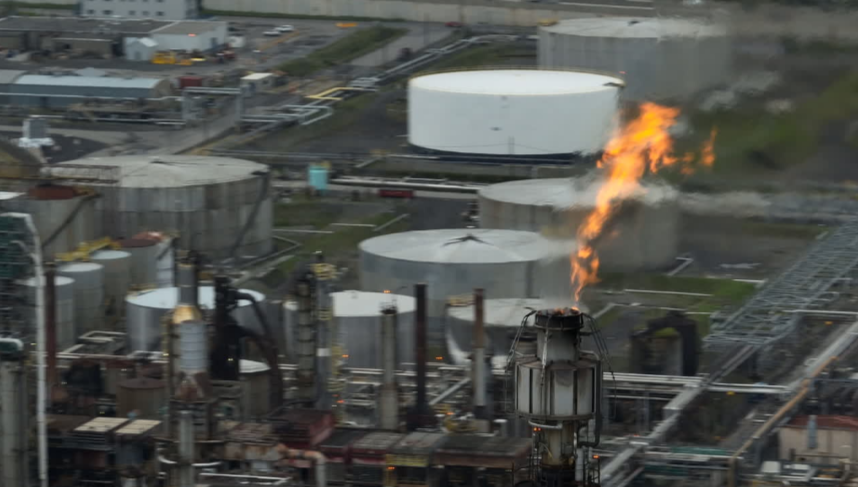
Santos chief executive Kevin Gallagher says Australia’s reputation as a stable energy investment destination has been damaged by a proposed 25 per cent gas-export tax
Santos chief executive Kevin Gallagher has warned that Australia’s reputation as a stable energy investment destination has been damaged by the federal government’s proposed 25 per cent gas-export tax, even though Canberra has stepped back from the plan.
Reuters reports Gallagher said repeated intervention and policy uncertainty could unsettle foreign investors and shift capital toward jurisdictions seen as more predictable. His warning came as Australia is already managing energy-security concerns, volatile commodity markets and the flow-on effects of the Middle East conflict.
The Australian also reported Gallagher’s broader warning that markets may be underestimating the length and volatility of the energy crisis. That framing matters because major energy investment is long-life, capital-intensive and sensitive to sovereign risk. If investors believe rules can shift late in the project cycle, the cost of capital rises and projects become harder to justify.
For South Australia, the issue is relevant even though Santos is a national energy company. The state is positioning itself around renewable energy, hydrogen, gas firming, critical minerals and industrial development. Those ambitions still depend on capital confidence and stable policy settings across the national energy system.
There is a policy tension here. Governments may need to intervene to protect consumers, national interests or domestic supply. But if intervention becomes unpredictable, it can weaken the very investment needed to build long-term energy resilience.
Resilience Lens:
Energy resilience depends on supply security, but also on policy credibility. If investors lose confidence in the rules, capital can move elsewhere. That weakens future supply, delays transition projects and increases the cost of building the infrastructure Australia needs.
The resilience challenge is to protect consumers and national interests without creating policy instability that deters the investment required for long-term supply security.
Sources:
Reuters - Santos says gas tax proposal caused reputational damage to Australia:
https://www.reuters.com/business/energy/santos-says-gas-tax-proposal-caused-reputational-damage-australia-2026-05-05/The Australian - Santos CEO Kevin Gallagher warns energy crisis to persist longer:
https://www.theaustralian.com.au/business/mining-energy/santos-chief-warns-market-underestimates-duration-and-volatility-of-energy-crisis/news-story/a2bd6f380af9442c2c1841de3831dd7dSantos - Official company website:
https://www.santos.com/Reuters - Australia and Japan sign agreements on energy and critical minerals:
https://www.reuters.com/business/energy/japan-pm-takaichi-set-talks-with-australias-albanese-energy-security-2026-05-04/
About C4R™ - CENTRE FOR RESILIENCE :
C4R™- CENTRE FOR RESILIENCE provides curated, source-based analysis and reporting, combining verified news with strategic insight and resilience-focused interpretation. For in depth analysisof topics like these reach out to C4R™.
C4R™ - CENTRE FOR RESILIENCE is an independent, Australian-based Think Tank initiative advancing economic, social, infrastructure and leadership resilience through research, measurement and practical programs with business, government and community partners.
Media enquiries: via the C4R Contact page.