
Tailem Bend shows why data-centre social licence must begin before construction
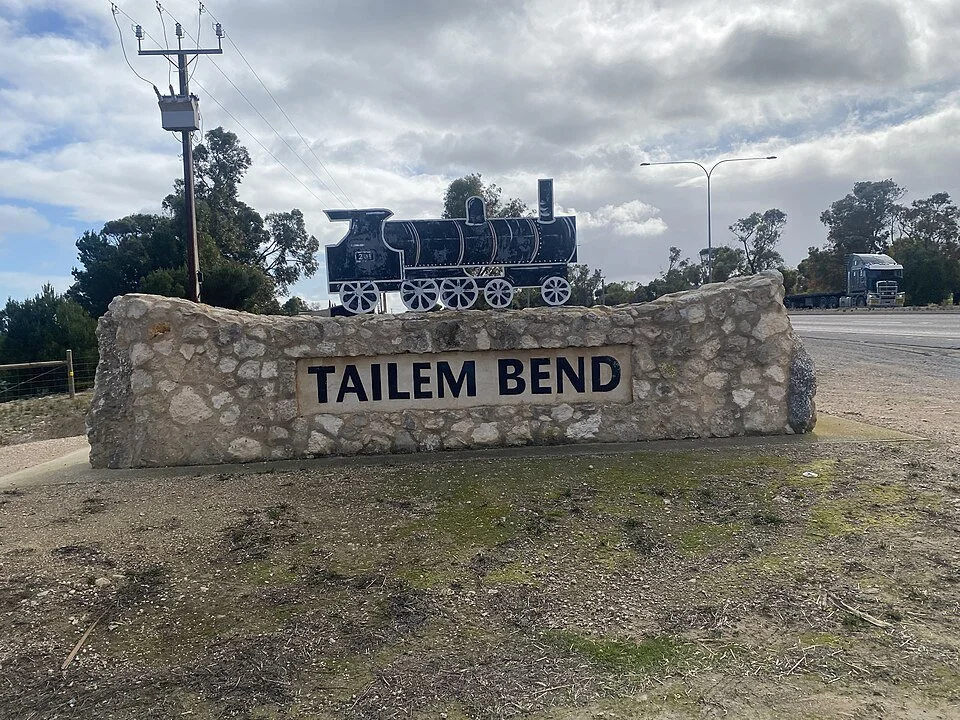
Image Courtesy RegionVisitor90, Wikimedia
A proposed regional AI campus promises investment and employment, but community concerns demonstrate the need for early transparency about electricity, water, infrastructure and local benefits.
The proposed Firmus artificial-intelligence campus near Tailem Bend is emerging as an important test of how South Australia manages the social licence of large digital-infrastructure projects.
Firmus has identified Tailem Bend as part of its broader Project Southgate expansion. The company argues that its facilities can provide sovereign computing capacity, regional employment and a substantial new source of demand capable of underwriting renewable generation and energy storage.
Those potential benefits are significant. However, residents and local representatives have raised concerns that the project became publicly visible before the community had received sufficient direct information about its location, scale, resource requirements or approval pathway.
Coorong District Council acting mayor Jonathan Pietzsch has warned that limited communication can allow fear and speculation to develop. Firmus has subsequently committed to greater engagement, including a community information session scheduled for 15 July.
The concerns are not necessarily evidence that the development should not proceed. They are evidence that regional communities expect to participate in decisions capable of changing their local economy and infrastructure profile.
Large AI facilities can generate demand for electricity, transmission, water, roads, housing, emergency services and skilled labour. Employment projections also need careful explanation, distinguishing construction positions from permanent operational roles and identifying how many opportunities will be accessible to local workers.
Firmus says its cooling systems can use substantially less water than conventional facilities and that its infrastructure can reduce electricity consumption relative to traditional designs. Its South Australian energy strategy includes a 600-megawatt supply agreement connected to planned renewable generation and battery storage.
These commitments should be examined through transparent, location-specific modelling. Statewide or interstate performance claims cannot substitute for public information about the Tailem Bend site.
A strong social-licence process should identify how the project will affect the electricity network, water availability, roads, housing, telecommunications, emergency arrangements and community services. It should also establish measurable commitments concerning local procurement, training and benefit sharing.
South Australia has an opportunity to become a major centre for AI infrastructure. The credibility of that ambition will depend on whether project developers and government can show that host communities are partners in development rather than passive recipients of change.
Image Courtesy Canva
What this means
Before final approval, the public-interest case should address:
site-specific electricity and water demand
transmission and connection requirements
construction and operational employment
housing and local-service impacts
road and freight movements
noise and environmental controls
emergency and business-continuity arrangements
local procurement and skills development
community reporting and complaint mechanisms
responsibility for infrastructure upgrade costs.
Resilience Lens:
Regional development becomes more resilient when consultation occurs before positions harden.
The Tailem Bend proposal could support investment, renewable-energy development and sovereign digital capability. Its long-term value will depend on whether technical efficiency, infrastructure capacity and community benefit are independently demonstrated and publicly understood.
UPCOMING EVENTS:
21𝐬𝐭 𝐉𝐔𝐋 - 𝐉𝐨𝐛𝐬, 𝐒𝐤𝐢𝐥𝐥𝐬 & 𝐌𝐢𝐠𝐫𝐚𝐭𝐢𝐨𝐧 𝐁𝐫𝐢𝐞𝐟𝐢𝐧𝐠 with Workinitiatives
_ 4𝐭𝐡 𝐀𝐔𝐆 - 𝐇𝐨𝐬𝐩𝐢𝐭𝐚𝐥𝐢𝐭𝐲 𝐔𝐧𝐝𝐞𝐫 𝐏𝐫𝐞𝐬𝐬𝐮𝐫𝐞 with Minister for Tourism, Emily Bourke
_ 8 𝐭𝐡 𝐒𝐄𝐏 𝐂𝐑𝐈𝐓𝐈𝐂𝐀𝐋 𝐌𝐈𝐍𝐄𝐑𝐀𝐋𝐒 𝐓𝐎 𝐒𝐎𝐕𝐄𝐑𝐄𝐈𝐆𝐍 𝐂𝐀𝐏𝐀𝐁𝐈𝐋𝐈𝐓𝐘 with Assistant Minister Lawrence Ben MP
_ 𝐀𝐢, 𝐂𝐲𝐛𝐞𝐫 𝐑𝐞𝐬𝐢𝐥𝐢𝐞𝐧𝐜𝐞
Sign up to be included on our events here - Sign Up
Sources:
The Australian - Tailem Bend community response
Murray Bridge News - community meeting
Firmus - Project Southgate
Data Center Dynamics - Firmus electricity agreement
About C4R™ - CENTRE FOR RESILIENCE :
C4R™- CENTRE FOR RESILIENCE provides curated, source-based analysis and reporting, combining verified news with strategic insight and resilience-focused interpretation. For in depth analysisof topics like these reach out to C4R™.
C4R™ - CENTRE FOR RESILIENCE is an independent, Australian-based Think Tank initiative advancing economic, social, infrastructure and leadership resilience through research, measurement and practical programs with business, government and community partners.
Media enquiries: via the C4R Contact page.