
Smart Glasses Show Why Accessibility and Privacy Cannot Be Regulated Separately
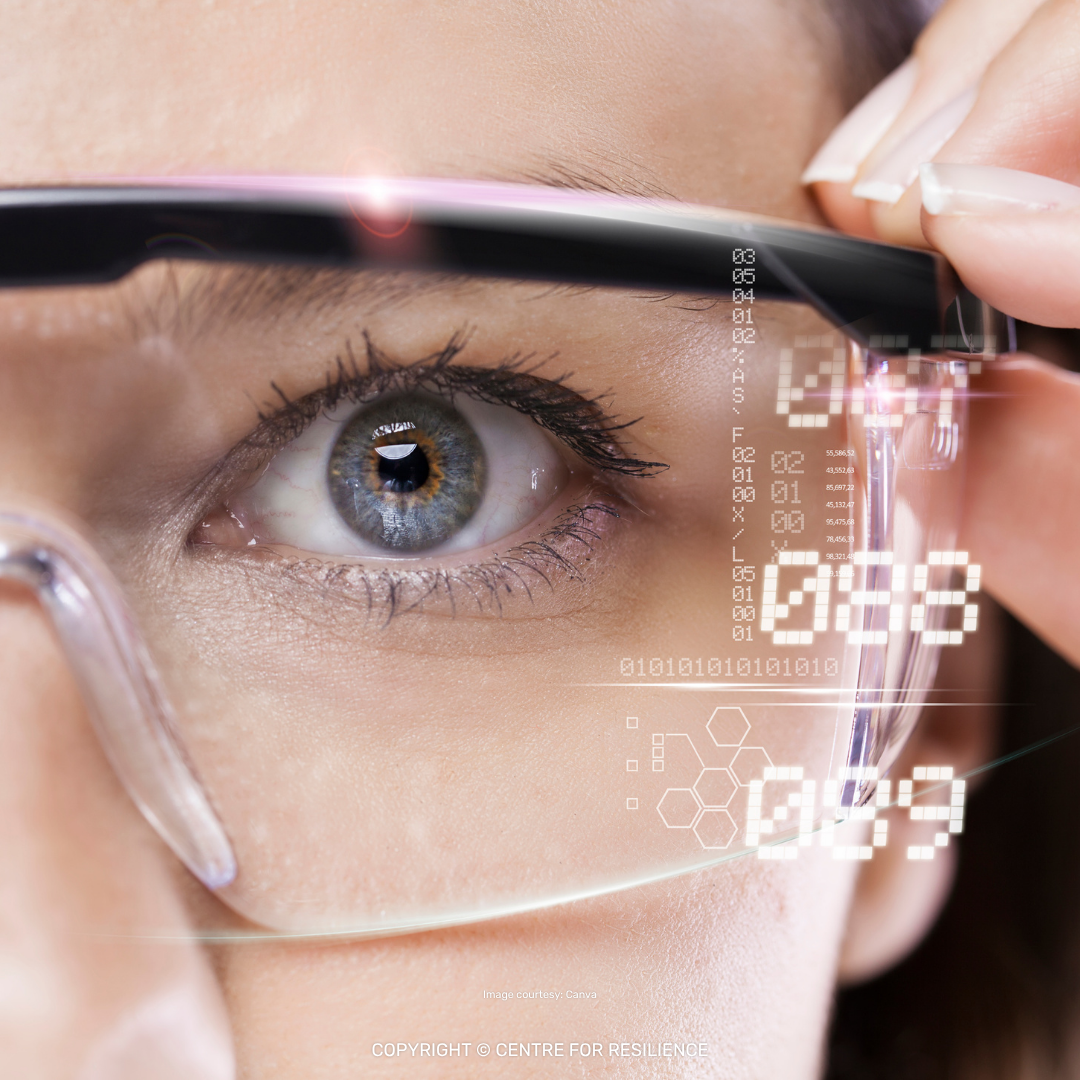
Image Courtesy: Canva
AI-enabled glasses are giving blind and low-vision Australians valuable independence, but the same technology can enable covert recording, identification and surveillance.
AI-enabled smart glasses are demonstrating how the same technology can produce a major public benefit and a material new risk.
For blind and low-vision Australians, wearable cameras connected to artificial intelligence can read signs and labels, identify objects, describe surroundings and provide navigational assistance. Because the camera is worn at eye level, users do not need to hold and position a phone whenever they need information about their environment.
This can provide greater independence in daily activities, including shopping, preparing food, travelling and participating in work or community life.
The accessibility benefit is genuine. It should not be dismissed because the technology also raises privacy concerns.
However, smart glasses are much less obvious than handheld cameras. People may not realise they are being recorded, while AI can potentially analyse faces, conversations, locations and other personal information.
Australia’s fragmented surveillance framework
Australian surveillance-device laws differ between states and territories. Whether recording is lawful can depend on the jurisdiction, whether audio or video is captured, whether a conversation is private and how the resulting material is used.
The federal Privacy Act applies to many organisations handling personal information, but it does not provide a comprehensive, technology-specific answer for every use of consumer smart glasses. Small businesses, private individuals and overseas service providers may also sit outside parts of the federal framework.
This creates uncertainty for users, bystanders, businesses and enforcement agencies.
Workplaces, schools, hospitals, aged-care facilities, change rooms and sensitive government sites may need specific policies. Yet overly broad bans could exclude people who rely on the technology for accessibility.
The risk is not limited to recording
Smart glasses may enable several connected risks:
covert audio or video capture;
facial identification or image searching;
stalking and location tracking;
collection of children’s or patients’ information;
upload of images to overseas cloud services;
disclosure of workplace or commercial information;
harassment, doxxing or unauthorised publication; and
cybersecurity compromise of the wearable device or linked account.
The resilience question therefore extends beyond whether recording occurs. It includes where the information goes, how long it is stored, whether it is used for model training and whether users can delete or correct it.
A balanced regulatory approach
A resilient response should preserve assistive uses while imposing safeguards proportionate to risk.
Potential measures include:
visible and tamper-resistant recording indicators;
clear audio or visual notifications where appropriate;
privacy-preserving processing on the device;
default limits on cloud retention;
stronger controls in sensitive environments;
explicit protection for legitimate disability-access uses;
rapid reporting pathways for stalking or harmful recording;
minimum cybersecurity and software-update requirements; and
privacy-impact assessments for organisations deploying wearable AI.
Accessibility groups should be involved directly in designing any restrictions. Policies developed without their participation may unintentionally remove independence from the people who benefit most.
What this means
Australia should avoid a false choice between accessibility and privacy.
The objective should be to retain the legitimate assistive value of smart glasses while controlling covert, exploitative and high-risk uses. This will require a combination of product standards, privacy law, surveillance rules, institutional policies and user education.
Resilience Lens:
Resilient technology allows people to participate more fully without making everyone else less secure.
The smart-glasses debate shows why digital resilience must include accessibility, privacy and public trust at the design stage. Waiting until widespread misuse occurs will make regulation more disruptive and less effective.
UPCOMING EVENTS:
21𝐬𝐭 𝐉𝐔𝐋 - 𝐉𝐨𝐛𝐬, 𝐒𝐤𝐢𝐥𝐥𝐬 & 𝐌𝐢𝐠𝐫𝐚𝐭𝐢𝐨𝐧 𝐁𝐫𝐢𝐞𝐟𝐢𝐧𝐠 with Workinitiatives
_ 4𝐭𝐡 𝐀𝐔𝐆 - 𝐇𝐨𝐬𝐩𝐢𝐭𝐚𝐥𝐢𝐭𝐲 𝐔𝐧𝐝𝐞𝐫 𝐏𝐫𝐞𝐬𝐬𝐮𝐫𝐞 with Minister for Tourism, Emily Bourke
_ 8 𝐭𝐡 𝐒𝐄𝐏 𝐂𝐑𝐈𝐓𝐈𝐂𝐀𝐋 𝐌𝐈𝐍𝐄𝐑𝐀𝐋𝐒 𝐓𝐎 𝐒𝐎𝐕𝐄𝐑𝐄𝐈𝐆𝐍 𝐂𝐀𝐏𝐀𝐁𝐈𝐋𝐈𝐓𝐘 with Assistant Minister Lawrence Ben MP
_ 𝐀𝐢, 𝐂𝐲𝐛𝐞𝐫 𝐑𝐞𝐬𝐢𝐥𝐢𝐞𝐧𝐜𝐞
Sign up to be included on our events here - Sign Up
Sources:
ABC News - smart glasses assist vision-impaired users while raising privacy concerns
Office of the Australian Information Commissioner - privacy and commercially available AI
About C4R™ - CENTRE FOR RESILIENCE :
C4R™- CENTRE FOR RESILIENCE provides curated, source-based analysis and reporting, combining verified news with strategic insight and resilience-focused interpretation. For in depth analysisof topics like these reach out to C4R™.
C4R™ - CENTRE FOR RESILIENCE is an independent, Australian-based Think Tank initiative advancing economic, social, infrastructure and leadership resilience through research, measurement and practical programs with business, government and community partners.
Media enquiries: via the C4R Contact page.