
Magill Campus is a test of whether Adelaide can deliver infill growth
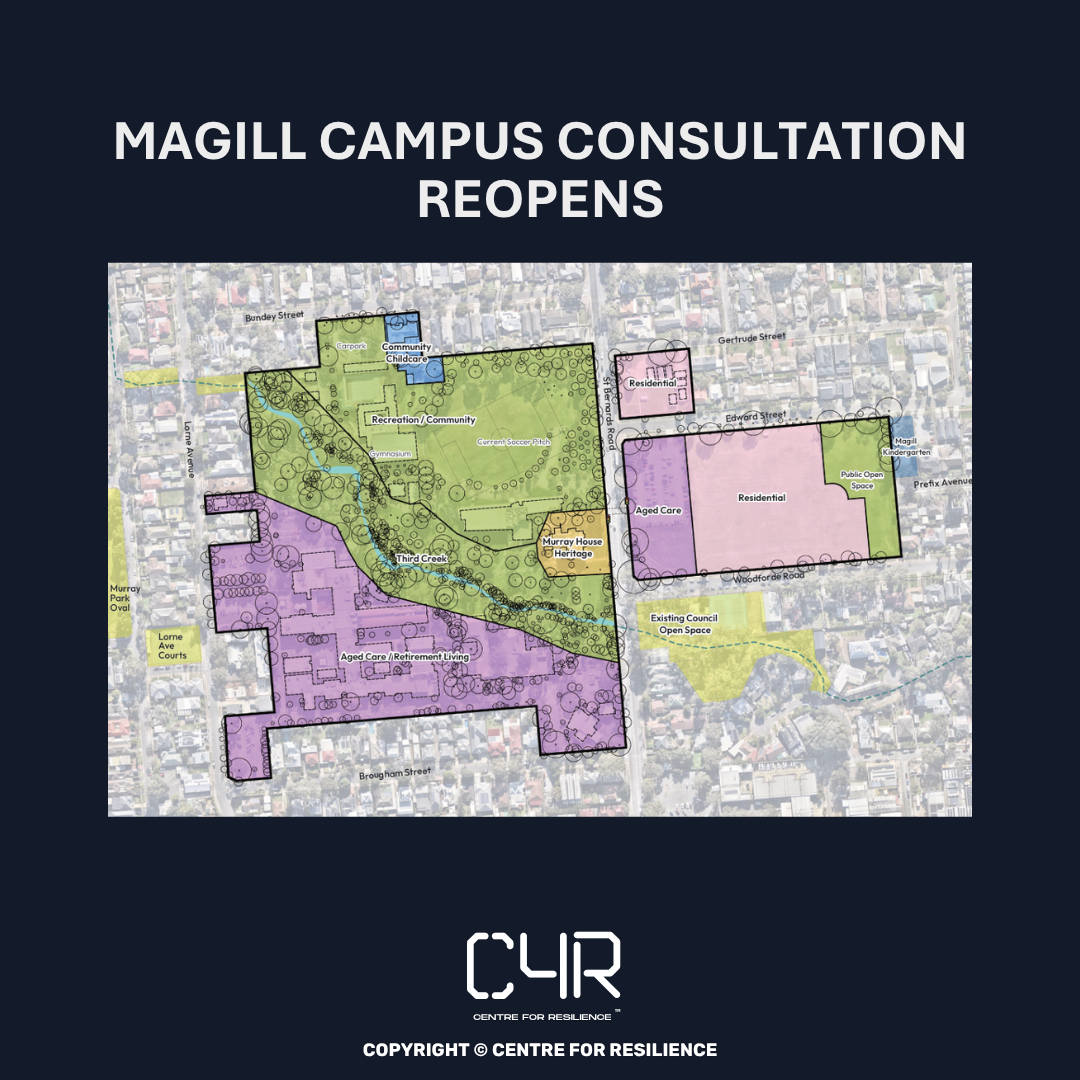
Renewal SA’s draft structure plan for the 14.62-hectare Magill Campus proposes new housing, aged care and community outcomes, but it also raises a bigger question about how Adelaide handles infill on prominent institutional land.
The future of Magill Campus is not just a site-planning exercise. It is shaping up as a broader test of how Adelaide manages growth, ageing demand and neighbourhood expectations on one of its more prominent suburban institutional sites.
Renewal SA says the 14.62-hectare campus offers an opportunity to plan future development in a way that aligns with community needs and aspirations. The current engagement round follows earlier consultation and is built around a draft structure plan described as a long-term vision for a green, inclusive and sustainable neighbourhood that also responds to growing aged care demand across Adelaide.
The detail matters. The structure plan material shows the eastern parcel, about 3 hectares, carrying up to 100 residential dwellings for market sale, with at least 20 per cent affordable sale homes to be delivered through HomeSeeker SA, alongside aged care or retirement living, a minimum 17 per cent green space target and a 30 per cent tree canopy target. Construction is indicated to begin no later than 2027 following detailed master planning.
The larger western parcel, about 11 hectares, is proposed to retain more than 60 per cent of the site for open space, sport and community use. The plan also points to protection of the Third Creek biodiversity corridor, retention and enhancement of key sport and community facilities, continued public access through the site, aged care and retirement living largely on the footprint of existing university buildings, building heights limited to five storeys, retention of Murray House as a heritage asset, and retention of the Children’s Centre on a long-term lease.
Taken together, that is a more nuanced proposition than a simple housing carve-up. It suggests Renewal SA is trying to balance urban infill, affordable housing, ageing-related demand, biodiversity, community infrastructure and heritage value in a single masterplanning process.
But that balance is exactly what makes the site politically and strategically important. Adelaide needs more housing and more aged care capacity, yet many communities remain wary of infill that feels imposed, over-scaled or detached from local identity. Magill therefore matters well beyond its own boundary. If the plan is seen as thoughtful, proportionate and credible, it strengthens confidence in future infill models. If not, it adds to resistance around urban change more broadly.
Resilience Lens:
For C4R, the resilience value sits in whether Adelaide can add capacity without undermining trust. Urban resilience is not only about building more dwellings. It is about getting the form, sequencing and legitimacy of growth right, especially where housing need, demographic change, biodiversity and neighbourhood character all collide.
Sources:
About C4R™ - CENTRE FOR RESILIENCE :
C4R™- CENTRE FOR RESILIENCE provides curated, source-based analysis and reporting, combining verified news with strategic insight and resilience-focused interpretation. For in depth analysis of topics like these reach out to C4R™.
C4R™ - CENTRE FOR RESILIENCE is an independent, Australian-based Think Tank initiative advancing economic, social, infrastructure and leadership resilience through research, measurement and practical programs with business, government and community partners. Learn more at https://www.c4resilience.com/.
Media enquiries: via the C4R Contact page.