
Sudan hunger emergency deepens as civil war becomes a regional destabilisation risk
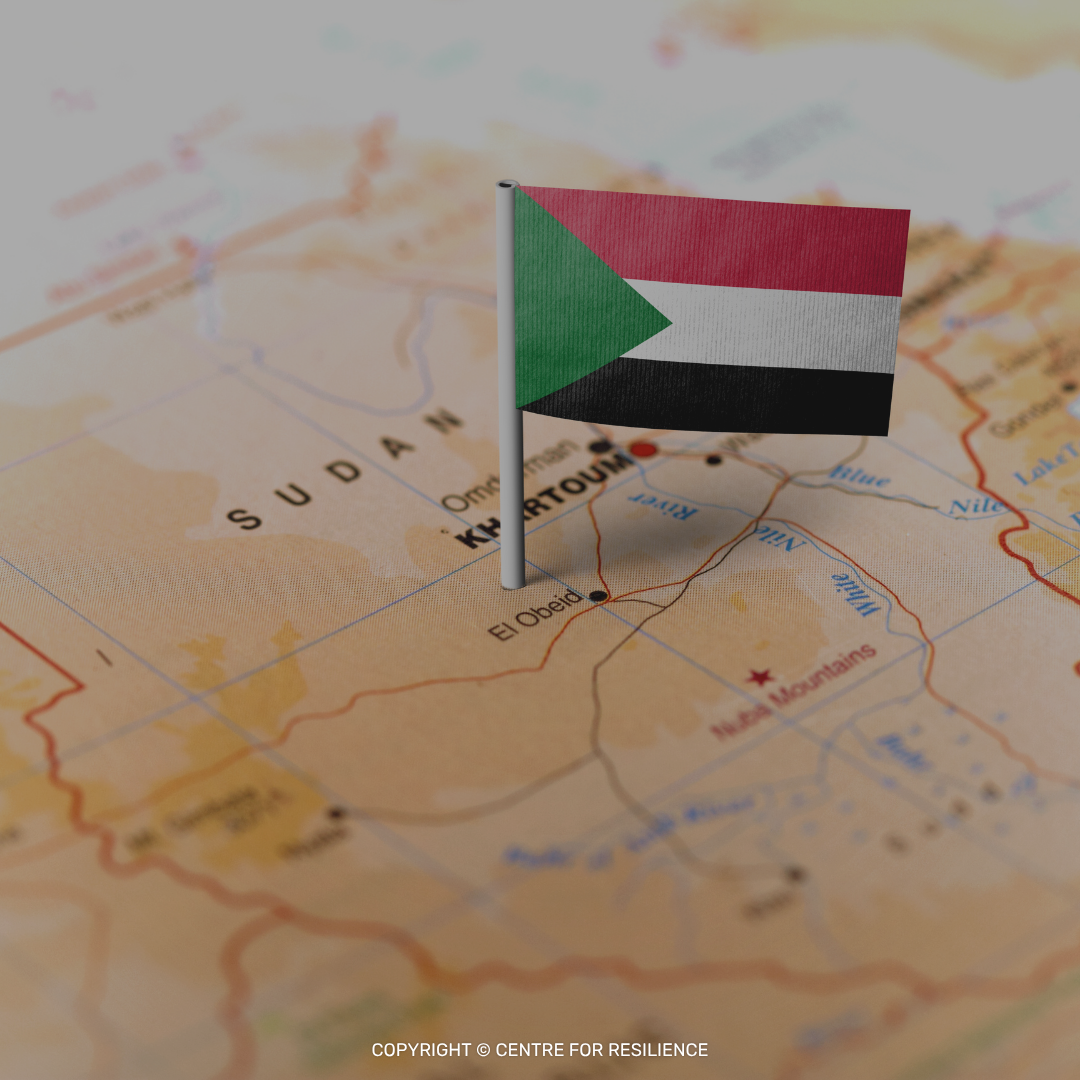
Food-system collapse is becoming one of the clearest indicators of state failure.
Sudan’s civil war continues to drive one of the world’s most severe food-security emergencies. Reuters reported that nearly 19.5 million people, more than 40 per cent of Sudan’s population, are facing acute hunger, citing the Integrated Food Security Phase Classification. AP also reported that over 40 per cent of the population faces high levels of acute food insecurity, with 135,000 people experiencing catastrophic famine conditions.
The food emergency is not simply a humanitarian consequence of war. It is a core indicator of systems breakdown. Conflict has disrupted farming, markets, transport routes, fuel availability, health services, banking systems and aid access. The World Food Programme, FAO and UNICEF have warned that nearly 19.5 million people face acute food insecurity, and that more than 825,000 children are at risk of death from severe malnutrition in 2026.
The crisis also has regional implications. Sudan sits at the intersection of the Horn of Africa, the Sahel, Egypt, the Red Sea and Gulf influence networks. Large-scale displacement, militia fragmentation, arms flows, food scarcity and infrastructure collapse can destabilise neighbouring states and maritime corridors.
Sudan shows how civil war can convert into a multi-domain resilience failure. Once agriculture, energy, logistics, healthcare and governance fail together, emergency relief alone is insufficient. Recovery requires security, access, institutional capacity, local market restoration and long-term food-system rebuilding.
What This Means:
Sudan is now both a humanitarian emergency and a geopolitical destabilisation risk. The crisis affects regional security, migration, food systems, public health and Red Sea-adjacent strategic stability.
Resilience Lens:
This is national-scale resilience failure. Food insecurity is not isolated from conflict; it is a consequence of systemic breakdown across agriculture, transport, fuel, health, humanitarian access and governance.
Sources:
AP News - https://apnews.com/article/9c9dd27791338ae25b3c369dfa4b3fae
Council on Foreign Relations Global Conflict Tracker - https://www.cfr.org/global-conflict-tracker/conflict/power-struggle-sudan
Al Jazeera - https://www.aljazeera.com/news/2026/4/28/families-forced-into-displacement-by-famine-in-sudan
About C4R™ - CENTRE FOR RESILIENCE :
C4R™- CENTRE FOR RESILIENCE provides curated, source-based analysis and reporting, combining verified news with strategic insight and resilience-focused interpretation. For in depth analysisof topics like these reach out to C4R™.
C4R™ - CENTRE FOR RESILIENCE is an independent, Australian-based Think Tank initiative advancing economic, social, infrastructure and leadership resilience through research, measurement and practical programs with business, government and community partners.
Media enquiries: via the C4R Contact page.