
Aged Care Recognised as Essential Infrastructure in North Adelaide Planning Test
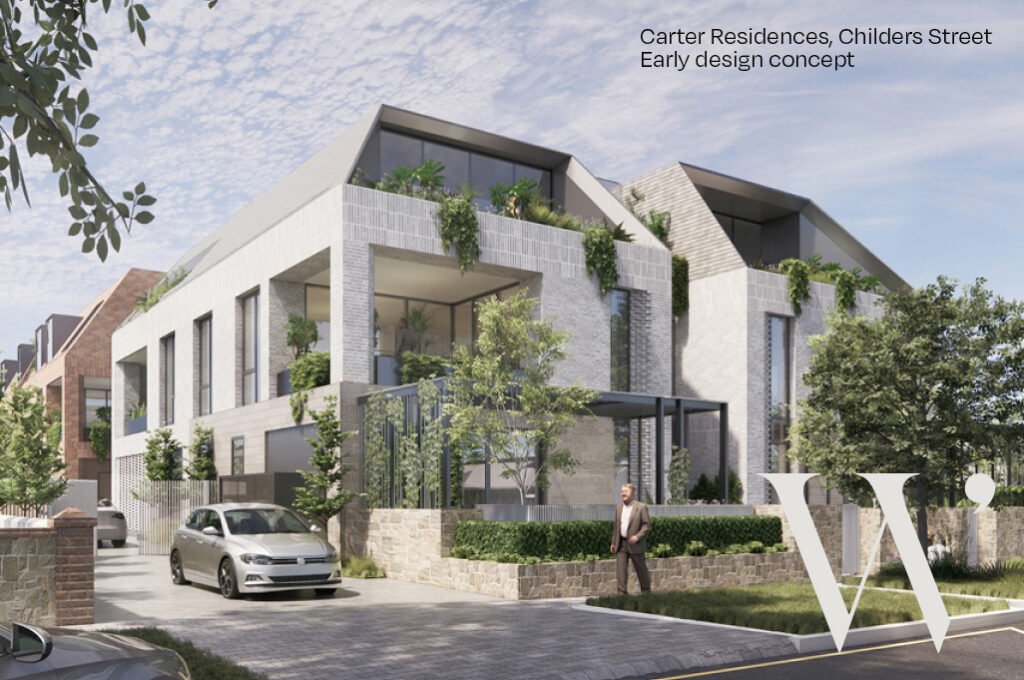
Image courtesy: Helping Hand / Woods Bagot
South Australia’s defence industry is moving deeper into the delivery phase …
A major aged care expansion in North Adelaide has become the first project to be supported as “essential infrastructure” under South Australia’s development assessment framework, creating an important test case for how the state accelerates aged care capacity, hospital discharge pathways and social infrastructure delivery.
The Premier of South Australia has confirmed that the Department for Health and Wellbeing has endorsed Helping Hand Aged Care’s proposed North Adelaide expansion as essential infrastructure. Subject to Crown development approval, the staged project would deliver more than 160 additional aged care beds, with the first stage expected by the end of 2029.
This matters because South Australia is facing a direct link between aged care supply and hospital system pressure. The government release states that more than 350 older South Australians are currently in metropolitan hospitals and other SA Health sites, ready for discharge but waiting for a Commonwealth aged care bed. That means aged care capacity is not only a social service issue - it is a hospital flow, emergency department, ambulance and health workforce issue.
The essential infrastructure pathway was introduced in 2025 to recognise that aged care facilities play a critical role in supporting the community and alleviating pressure on the health system. This North Adelaide project is therefore a practical test of whether planning reform can help deliver beds faster while still preserving appropriate assessment, neighbourhood interface management and built-form quality.
For South Australia’s property and health sectors, the implications are significant. Aged care, retirement living and supported housing should increasingly be treated as part of the state’s core infrastructure system, alongside hospitals, housing, transport and community services.
What This Means for Resilience
Aged care is moving from the margins of planning policy into the centre of infrastructure policy. If older South Australians cannot move from hospital to appropriate aged care, the pressure cascades through the entire system: hospital beds remain occupied, emergency departments face higher pressure, ambulance ramping becomes harder to manage and families experience greater stress.
This project should therefore be viewed as a case study in how planning, health, housing and aged care can be aligned.
A Resilience Lens
The resilience value is system flow. Aged care beds are not only end-point accommodation. They are part of a broader health and social infrastructure chain.
For C4R - CENTRE FOR RESILIENCE, this story should be tracked through:
Additional aged care beds approved and delivered
Time taken from proposal to planning approval
Impact on hospital discharge delays
Workforce availability for aged care operations
Community acceptance and planning objections
Replicability for other aged care and retirement living projects
Interaction with hospital capacity, ambulance pressure and mental health services
Aged care resilience is health-system resilience. The state’s ability to discharge patients safely into appropriate care is now a core indicator of system performance.
Sources:
Premier of South Australia - First aged care project supported as essential infrastructure
About C4R™ - CENTRE FOR RESILIENCE :
C4R™- CENTRE FOR RESILIENCE provides curated, source-based analysis and reporting, combining verified news with strategic insight and resilience-focused interpretation. For in depth analysis of topics like these reach out to C4R™.
C4R™ - CENTRE FOR RESILIENCE is an independent, Australian-based Think Tank initiative advancing economic, social, infrastructure and leadership resilience through research, measurement and practical programs with business, government and community partners. Learn more at https://www.c4resilience.com/.
Media enquiries: via the C4R Contact page.