
Adelaide Airport named overall WINNER at Routes Asia 2026
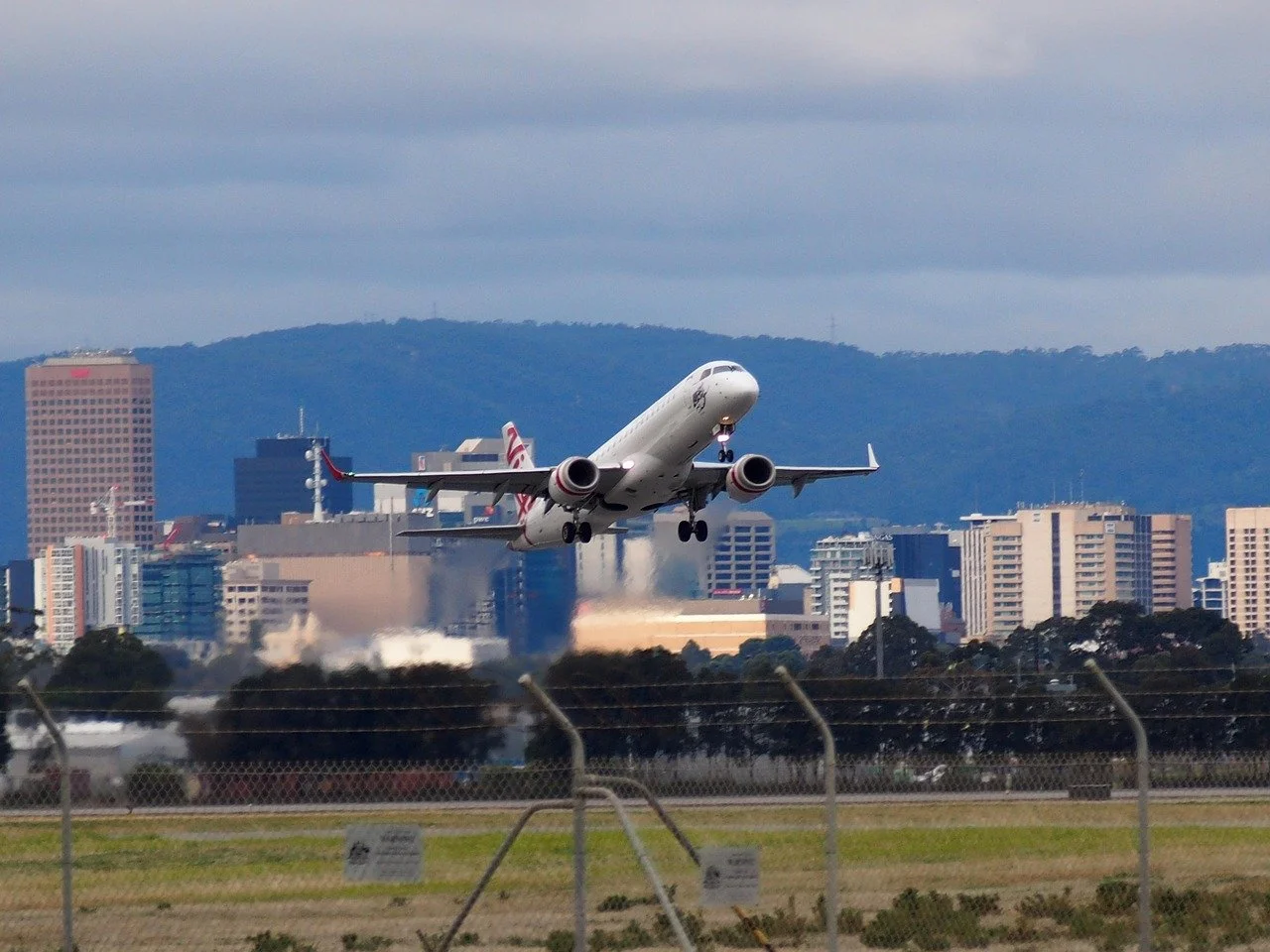
Adelaide Takes Flight - A Strategic Win for South Australia’s Global Positioning
Adelaide has quietly, but decisively, stepped onto the global aviation stage.
The recognition of Adelaide Airport as the Overall Winner at Routes Asia 2026 is not simply an industry accolade. It is a signal - to investors, airlines, governments, and global markets - that South Australia is executing at a level of strategic maturity often reserved for much larger gateway cities.
This outcome reflects a deliberate and coordinated approach to aviation-led economic development. Route development is no longer just about passenger volumes; it is about trade connectivity, tourism resilience, capital flows, and supply chain access. Adelaide’s ability to outperform major Asia-Pacific competitors demonstrates that scale is no longer the defining advantage - strategy is.
A System-Level Achievement, Not a Single Win
Awards of this calibre are determined by airline voting - meaning this recognition is grounded in commercial credibility. Airlines choose partners that deliver:
Sustainable demand generation
Operational efficiency
Strategic route support
Long-term growth alignment
Adelaide has evidently aligned across all four vectors.
What is particularly noteworthy is the integration between aviation strategy and broader state economic priorities. The airport is not operating in isolation - it is functioning as a critical node within South Australia’s economic and resilience architecture.
Economic and Strategic Implications
This recognition materially strengthens Adelaide’s position across several fronts:
1. Tourism and Events Economy
Enhanced credibility improves airline confidence, directly supporting inbound tourism and major event attraction. This has a multiplier effect across hospitality, retail, and cultural sectors.
2. Trade and Freight Connectivity
Air routes are trade routes. Improved network access strengthens high-value export pathways - particularly for time-sensitive goods such as premium food, pharmaceuticals, and advanced manufacturing outputs.
3. Investment Signalling
Global recognition at Routes Asia functions as a market signal. It indicates a jurisdiction capable of executing complex, multi-stakeholder strategies - a key consideration for institutional capital.
4. Workforce and Talent Mobility
Improved connectivity enhances labour mobility, international education flows, and executive access - all critical inputs to long-term economic growth.
Resilience Lens - Why This Matters
From a resilience standpoint, this achievement is highly consequential.
Aviation infrastructure sits at the intersection of economic continuity, supply chain stability, and emergency response capability. Strengthening Adelaide Airport’s global network position enhances:
Redundancy in supply chains
Diversification of inbound and outbound flows
Crisis response logistics capability
Economic shock absorption capacity
This is precisely the type of infrastructure uplift that aligns with the principles advanced by C4R - CENTRE FOR RESILIENCE - where strategic assets are leveraged not just for growth, but for system-wide resilience and continuity.
A South Australian Model Emerging
Adelaide’s success reinforces a broader pattern - South Australia is increasingly demonstrating that focused, well-governed, and strategically aligned jurisdictions can outperform larger counterparts.
This is not accidental. It reflects:
Strong institutional coordination
Targeted industry engagement
Long-term planning discipline
A willingness to compete globally, not regionally
The Routes Asia 2026 win is more than recognition - it is validation.
Validation that Adelaide is no longer a secondary aviation market, but a strategically relevant gateway in the Asia-Pacific network. Validation that South Australia’s economic strategy is translating into measurable global outcomes. And importantly, validation that resilience, when embedded into infrastructure and planning, becomes a competitive advantage.
About C4R™ - CENTRE FOR RESILIENCE :
This is the type of outcome that reinforces the work being advanced through C4R™ - CENTRE FOR RESILIENCE - where strategic infrastructure underpins both growth and stability. For in depth analysis of topics like these reach out to C4R™.
C4R™ - CENTRE FOR RESILIENCE is an independent, Australian-based Think Tank initiative advancing economic, social, infrastructure and leadership resilience through research, measurement and practical programs with business, government and community partners. Learn more at https://www.c4resilience.com/.
Media enquiries: via the C4R Contact page.