
Adelaide café closure signals deeper pressure on CBD Hospitality
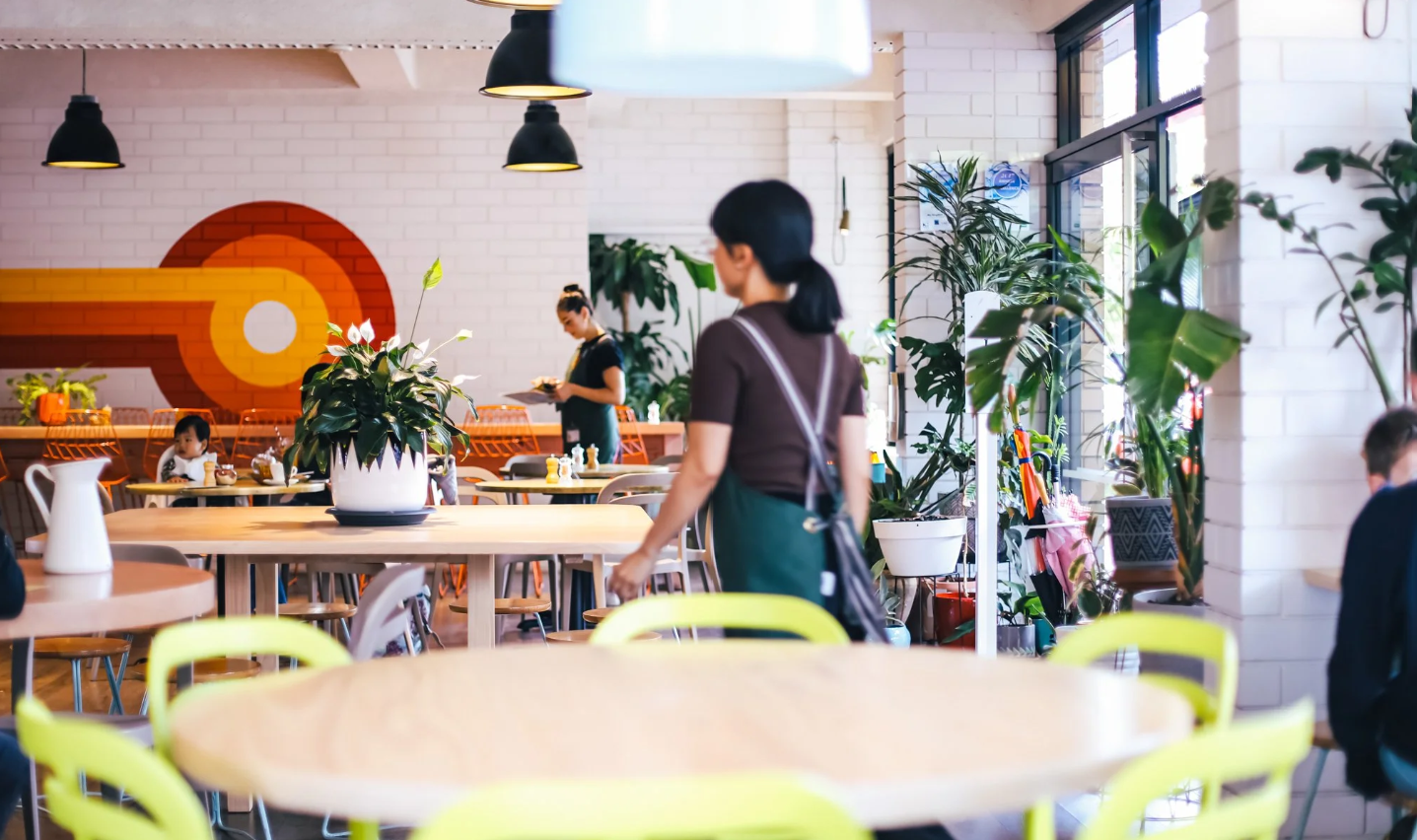
Image courtesy: My Kingdom For a Horse
The closure of My Kingdom for a Horse’s Wright Street dine-in venue is more than a single business decision - it is a warning signal about labour costs, consumer spending, rent pressure and the future shape of city hospitality.
Adelaide’s hospitality sector has received another resilience signal, with My Kingdom for a Horse confirming the closure of its Wright Street dine-in café on 21 June after 12 years of operation.
The venue has been part of Adelaide’s brunch and specialty coffee scene, operating as a 120-seat licensed café with an on-site coffee roastery in the city. SALIFE / InDaily reports that owner Emily Raven described the traditional café model as increasingly unsustainable, with pressure from wages, input costs, fuel, cost-of-living conditions and the changing economics of table service. The brand itself is not disappearing, with roasting, production, takeaway and other channels continuing.
For C4R - CENTRE FOR RESILIENCE, the importance of this story is not simply the closure of one venue. It is the structural issue underneath it. Adelaide’s CBD hospitality economy depends on several interlinked systems - weekday worker traffic, city visitation, tourism, events, transport accessibility, rent affordability, labour availability and discretionary consumer spend.
When a long-running operator moves away from dine-in service, the story becomes a resilience case study. It shows that hospitality businesses are adapting, but also that some formats may no longer be viable under current operating conditions. The issue is particularly relevant to Adelaide because the city has been investing heavily in events, tourism, hotels, education, arts and CBD activation. Those initiatives can help create demand, but they do not automatically solve the cost structure facing small and medium hospitality operators.
The risk is a hollowing out of the local service layer that supports the city experience. Cafés, bars, restaurants and small venues are not just retail businesses. They are part of the social and economic infrastructure of a city. They support local employment, supply chains, urban amenity, tourism experience, night-time activity and neighbourhood identity.
The opportunity is to treat hospitality as part of Adelaide’s economic resilience system, not just as a discretionary lifestyle sector. More flexible leasing, better city access, stronger precinct activation, event-linked trade opportunities and support for diversified business models could help more operators remain viable.
A Resilience Lens
Hospitality resilience depends on flexibility. Businesses that can diversify across dine-in, takeaway, events, wholesale, online sales, catering, production and direct-to-consumer channels are more likely to withstand cost pressure. The closure of a dine-in venue while the broader brand continues shows both stress and adaptation.
Sources:
InDaily / SALIFE - My Kingdom for a Horse cafe comes to a halt - https://www.indailysa.com.au/salife/people-and-places/2026/06/04/my-kingdom-for-a-horse-cafe-comes-to-a-halt
Australian Bureau of Statistics - Monthly Consumer Price Index Indicator, April 2026 - https://www.abs.gov.au/statistics/economy/price-indexes-and-inflation/consumer-price-index-australia/latest-release
My Kingdom for a Horse - Official venue information - My Kingdom for a Horse
About C4R™ - CENTRE FOR RESILIENCE :
C4R™- CENTRE FOR RESILIENCE provides curated, source-based analysis and reporting, combining verified news with strategic insight and resilience-focused interpretation. For in depth analysis of topics like these reach out to C4R™.
C4R™ - CENTRE FOR RESILIENCE is an independent, Australian-based Think Tank advancing economic, social, infrastructure and leadership resilience through research, measurement and practical programs with business, government and community partners. Learn more at https://www.c4resilience.com/.
Media enquiries: via the C4R Contact page.