
Dark Mofo turns Hobart Winter into tourism boost
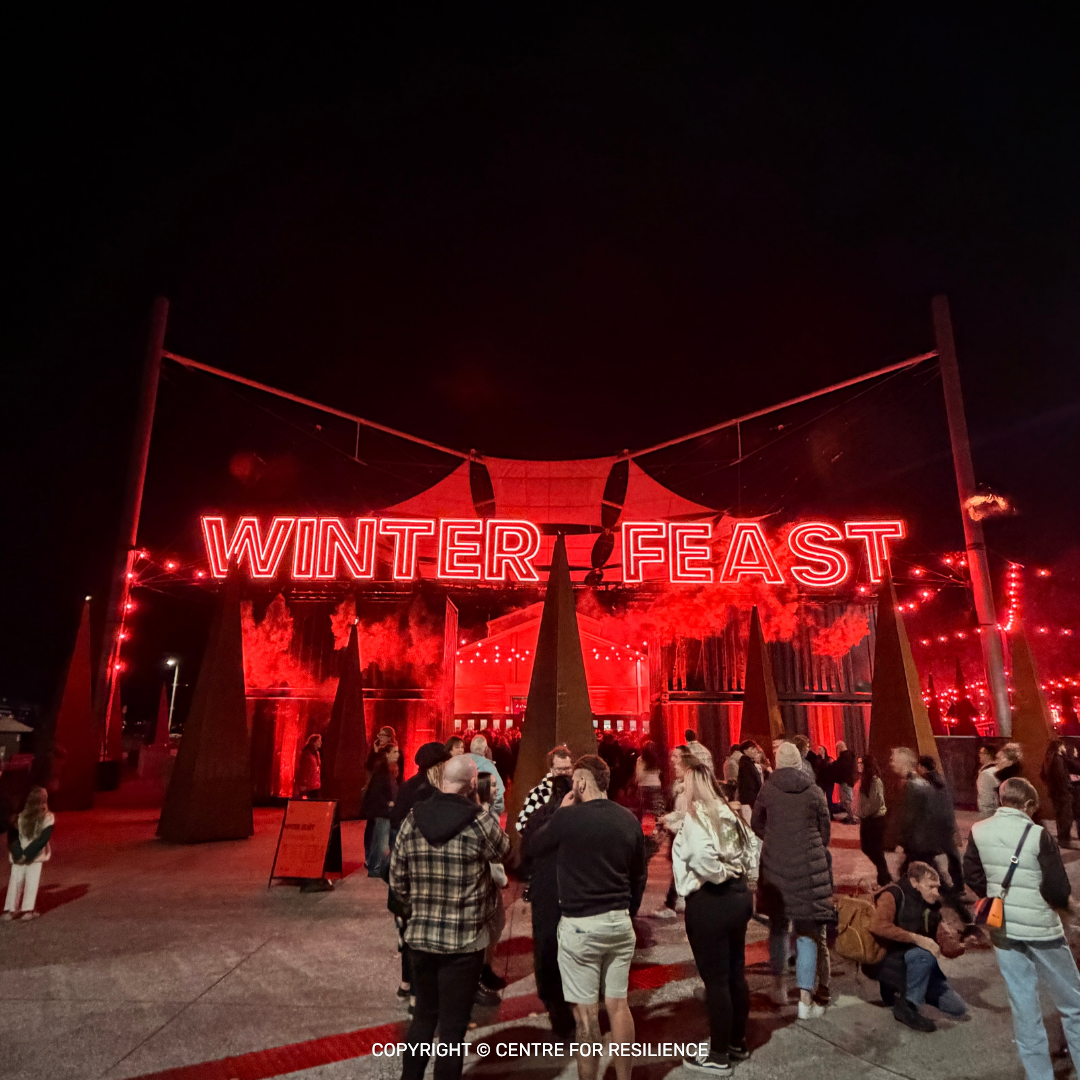
Dark Mofo Winter Feast
Dark Mofo shows how Hobart turned winter into a visitor-economy asset.
As Dark Mofo moves through its winter programme, Hobart is again showing how major cultural events can support tourism, hospitality, accommodation, local food producers and broader economic resilience during a traditionally quieter season.
Hobart’s winter economy is again being tested - and strengthened - by Dark Mofo.
As the festival moves through its June programme, the broader story is no longer only about music, food, fire, ritual and public art. It is about how a city uses culture as economic infrastructure.
Dark Mofo has become one of Australia’s clearest examples of how a destination can reshape seasonal demand. For Hobart and Tasmania, the festival helps convert winter from a low-demand tourism period into a concentrated visitor-economy opportunity, drawing locals, interstate visitors and international guests into the city’s hotels, restaurants, bars, cultural venues, transport services and regional tourism networks.
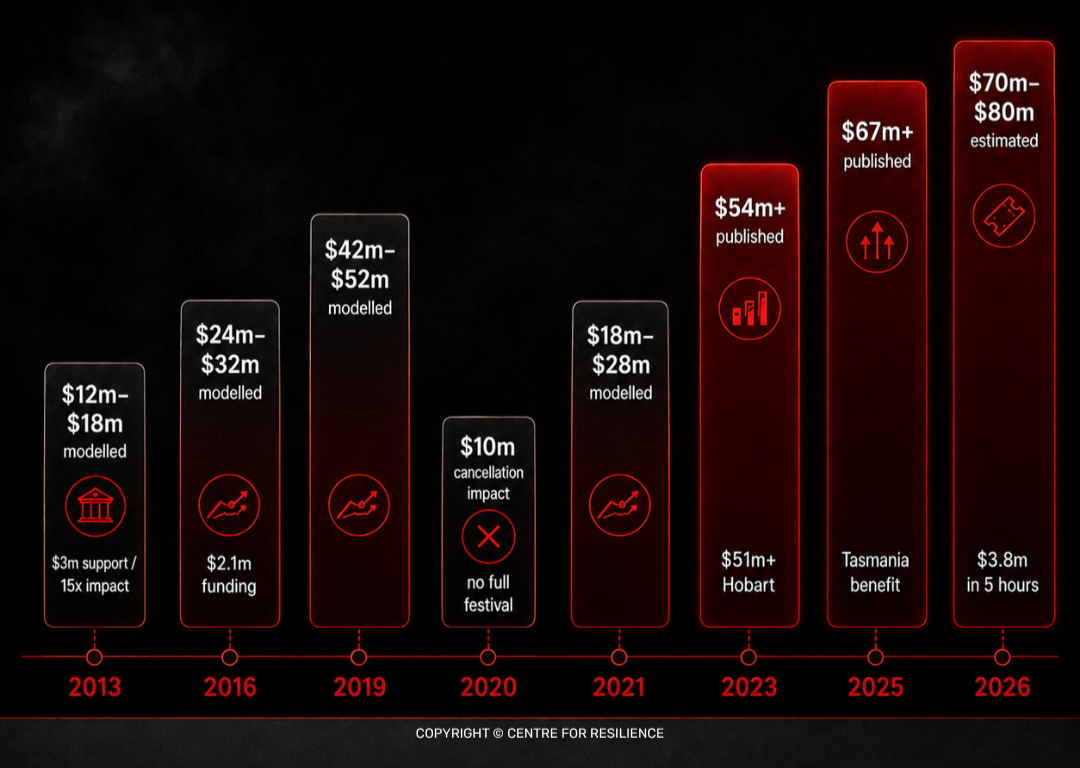
Economic Modelling over the years, Image Copyright © Centre for Resilience
The 2026 programme again brings together the festival’s core rituals - Winter Feast, Night Mass, the Nude Solstice Swim, Ogoh-Ogoh and major art installations - while also spreading activity across Hobart’s waterfront, MONA and other cultural sites. That matters because festivals of this scale do not operate in isolation. They activate entire local supply chains.
Winter Feast is a useful example. It creates a direct pathway for Tasmanian food, wine, spirits, hospitality workers, producers, performers and event operators to reach a concentrated winter audience. That spending then flows into accommodation, transport, retail and regional visitation as visitors extend their stay or move beyond Hobart into southern Tasmania and other parts of the state.
For the visitor economy, this is a resilience story.
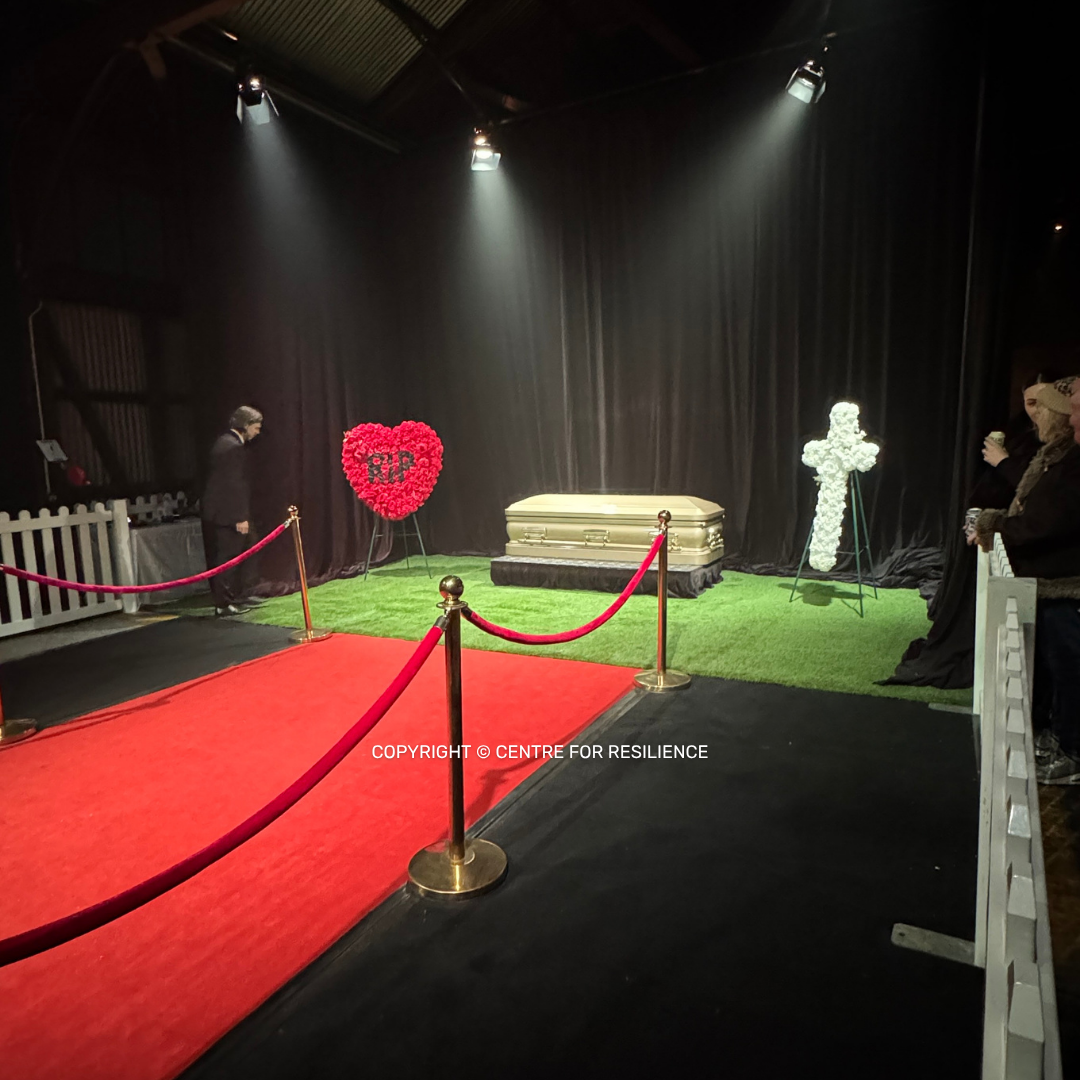
Coffin Rides, Simon Zoric - 2025 Dark Mofo Art Installation, Image Copyright © Centre for Resilience
Follow our Instagram account if you want to see the video
Tasmania’s tourism sector is already a major employer and economic contributor. Tourism Tasmania’s latest public visitor data shows Tasmania hosted 1.386 million visitors in the year ending December 2025, contributing more than $3.7 billion to the Tasmanian economy and supporting 50,800 jobs. The Tourism Industry Council Tasmania also frames tourism as one of the state’s core employment and regional income engines.
Dark Mofo adds a strategic layer to that economy because it is not simply chasing peak-season demand. It helps create demand when many businesses would otherwise be exposed to lower winter trading conditions.
This is especially important for hospitality and accommodation operators. A hotel room, restaurant table, bar shift or visitor experience that is filled in June has a different economic value to one filled during the already-busy summer period. It helps smooth cash flow, retain staff, justify investment and build confidence in year-round operations.
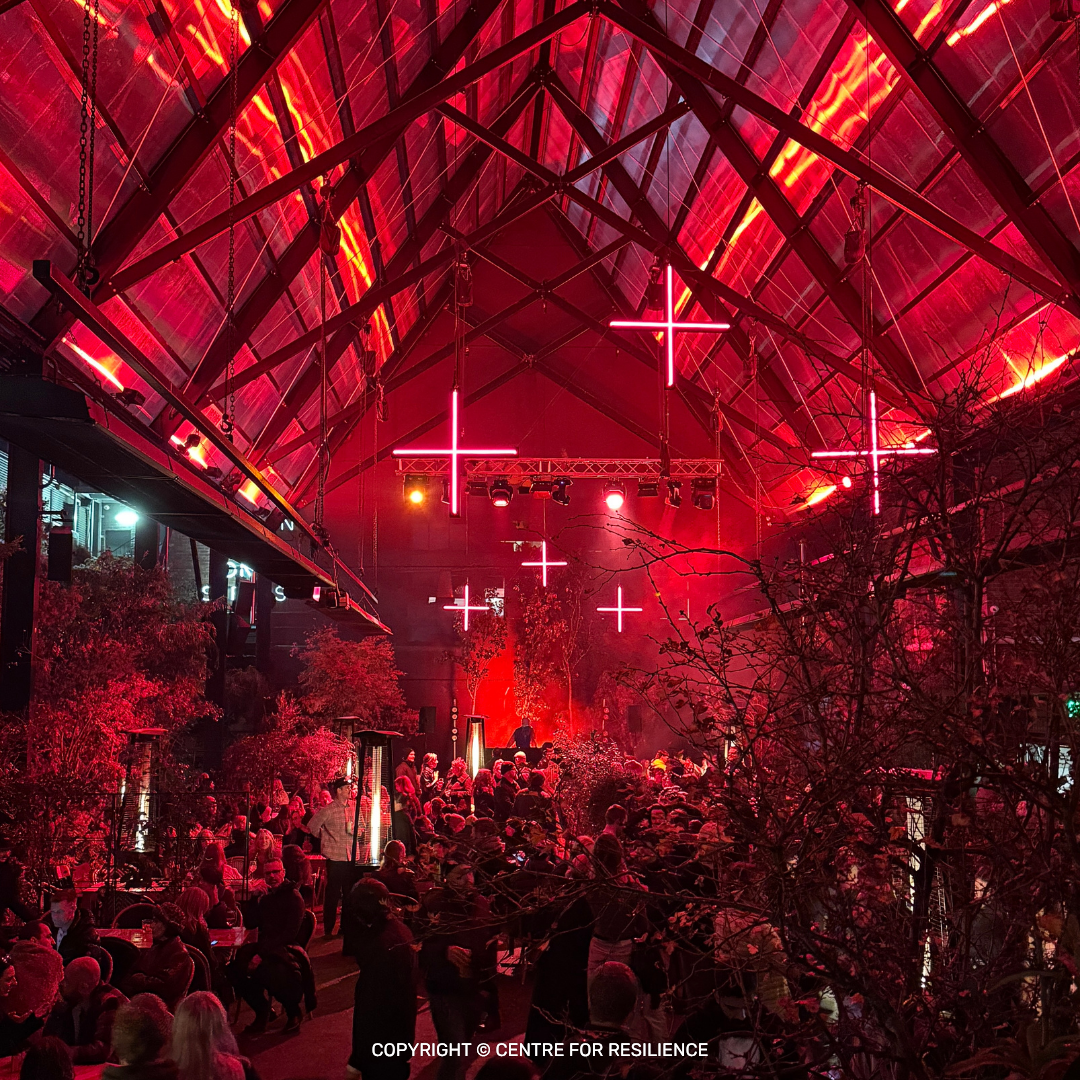
The Hanging Gardens, Image Copyright © Centre for Resilience
From a public-policy and resilience perspective, Dark Mofo also demonstrates how place-based cultural investment can improve destination competitiveness. Rather than relying only on scenery, heritage or summer travel, Hobart has built a distinctive winter identity around art, food, darkness, waterfront activation and cultural provocation.
That identity is now a strategic asset.
The festival gives Tasmania a reason to be discussed nationally and internationally in winter. It strengthens Hobart’s brand as a cultural capital, supports the MONA ecosystem, creates social media visibility, and gives visitors a reason to travel during a season that many destinations struggle to convert.
The challenge is to manage the success carefully.
Major events create economic activity, but they also place pressure on accommodation supply, transport, public spaces, policing, safety planning, hospitality staffing and local amenity. Hobart’s next stage is not simply about attracting more visitors. It is about ensuring the benefits are spread across the local economy while maintaining liveability, affordability and community support.
That is where resilience becomes central.
A resilient visitor economy is not only measured by attendance figures or ticket revenue. It is measured by how well an event supports local jobs, strengthens small business, activates city precincts, supports producers, draws visitors in weaker seasons, and leaves a lasting economic benefit after the festival lights go out.
Dark Mofo shows that Hobart has done something many destinations are still trying to achieve.
It has turned winter into part of the city’s competitive advantage.
Sources:
Dark Mofo - Dark Mofo
Tourism Tasmania - Tourism Research Australia | Tourism Research Australia
Tourism Research Australia - Supporting Tasmania's Visitor Economy | Tourism Tasmania
MONA - https://mona.net.au/
About C4R™ - CENTRE FOR RESILIENCE :
This is the type of outcome that reinforces the work being advanced through C4R™ - CENTRE FOR RESILIENCE - where strategic infrastructure underpins both growth and stability. For in depth analysis of topics like these reach out to C4R™.
C4R™ - CENTRE FOR RESILIENCE is an independent, Australian-based Think Tank initiative advancing economic, social, infrastructure and leadership resilience through research, measurement and practical programs with business, government and community partners. Learn more at https://www.c4resilience.com/.
Media enquiries: via the C4R Contact page.