
South Australia Has an AI Data Centre Advantage - Only If It Converts Clean Energy Into Real Resilience
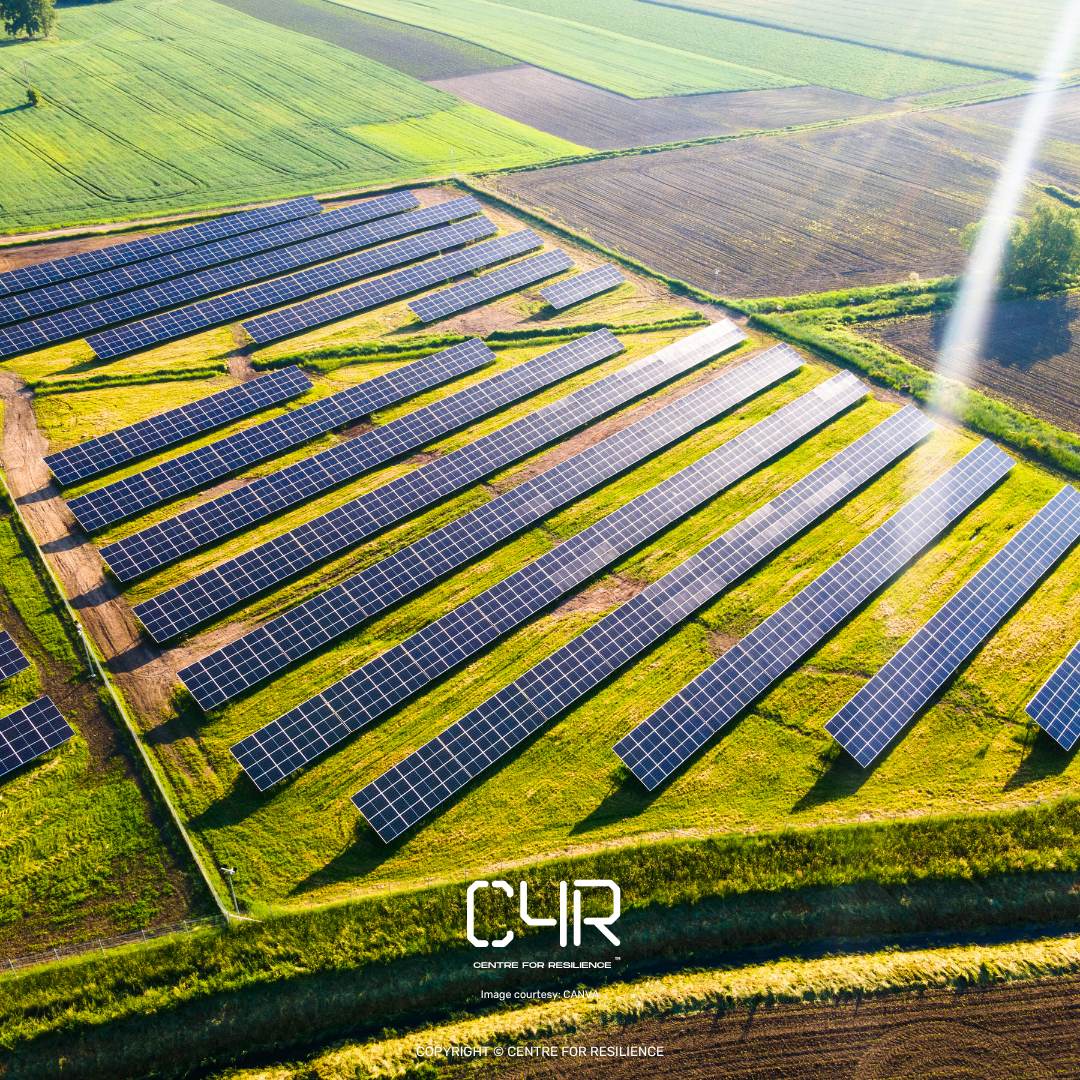
Image Courtesy Canva
South Australia has a credible competitive advantage in the AI data centre race because of renewable energy, regional transmission assets, emerging battery investment, subsea fibre connectivity, defence and space capability, and a growing AI ecosystem. But the opportunity will only work if new data centres bring new energy, transparent water use, appropriate land use, community benefit and sovereign capability.
South Australia is now a serious contender in the national AI data centre race.
For years, data centres were mostly treated as a digital infrastructure story. They were seen as the invisible backbone of cloud computing, cyber capability, digital services, financial systems, government data and the internet economy. That is no longer sufficient.
The AI economy is physical before it is digital. It needs land, electricity, water, cooling, fibre, batteries, firming, transmission, backup systems, security, construction capacity, skilled labour and community consent.
That is why South Australia’s emerging AI data centre push should be assessed through a resilience lens.
The opportunity is real. South Australia has several competitive advantages that other Australian jurisdictions do not have in the same combination.
The first is energy. South Australia is already one of the world’s leading renewable energy jurisdictions. The state lifted the share of its net electricity generation from renewables from 1% in 2007 to more than 75% in 2025, and has an aspiration to achieve 100% net renewable electricity by 2027. The state also identifies a $32.5 billion pipeline of large-scale renewable energy projects under construction, under assessment or approved for development.
That matters because AI data centres are power-hungry. The global AI build-out is increasingly constrained not just by chips and capital, but by access to reliable, large-scale electricity. In that context, South Australia’s renewable energy base, transmission corridors, battery experience and regional energy zones give it a genuine strategic opening.
The second advantage is connectivity. South Australia is being linked into the new SMAP subsea cable system, a $400 million, 5,000 kilometre Sydney-Melbourne-Adelaide-Perth cable that is designed to provide faster, more secure and reliable data capacity for data-intensive industries such as defence, space, AI and advanced manufacturing. SUBCO describes SMAP as a next-generation hyperscale network with 16 fibre pairs and more than 400Tb/s capacity per section, connecting Sydney, Melbourne, Adelaide and Perth.
The third advantage is the state’s existing AI, defence and space ecosystem. South Australia’s Department of State Development states that AI has been a focus and strength of the state’s research sector since the Australian Institute for Machine Learning was established with government support in 2018, and that the state has a concentrated pool of AI talent supported by government-backed attraction and scholarship programs. Lot Fourteen’s critical technologies profile also highlights AIML, AWS and AI and machine learning activity in the state, while South Australia’s space ecosystem includes software integration, data analytics and AI capability.
The fourth advantage is policy intent. The South Australian Government has released a Data Centre Strategy and has indicated it will introduce dedicated legislation to regulate AI data centre development. ABC News reported that the strategy aims to capitalise on South Australia’s renewable energy share and new undersea internet cable, while the proposed legislation is expected to streamline development and manage energy use so there is no negative impact on consumer bills.
The fifth advantage is regional geography. Unlike Sydney and Melbourne, where data centre growth can collide directly with housing, logistics and scarce urban industrial land, South Australia has regional areas where major transmission infrastructure, renewable energy resources and lower-density land may allow better siting. ABC reported that the government is particularly looking at areas such as the Mid North and Whyalla, where large electricity transmission lines, wind farms and water infrastructure are relevant to the data centre opportunity.
These advantages are already attracting projects.
IREN has announced a planned 800MW data centre campus at Bundey in South Australia, supported by a transmission connection agreement. The company says the project has a high-voltage transmission connection into the utility substation, is targeting energisation from 2028, benefits from submarine fibre connectivity into Asia-Pacific demand centres, and could create more than 500 construction jobs and more than 200 ongoing skilled jobs.
Firmus Technologies has also positioned South Australia as a major location for AI factory infrastructure. Its Project Southgate plans include AI factory campuses at Tailem Bend and Stirling North, with reported planned combined capacity of 2.7GW. Firmus has announced a 12-year energy supply agreement with Gunvor Group for 600MW of firm energy, linked to 1.2GW of new renewable generation and 1.5GWh of new battery storage by 2032.
This is where South Australia’s competitive advantage becomes a resilience question.
If AI data centres simply consume existing energy, absorb regional water, occupy productive land, pressure construction labour and provide limited local benefit, they could weaken resilience. They could add to cost pressures, public distrust and infrastructure competition.
But if they are required to underwrite new renewable generation, new batteries, grid-forming capability, demand response, regional jobs, skills pathways, transparent water reporting, local procurement and sovereign compute access, they could strengthen the state.
That distinction is critical.
The Australian Government’s expectations for data centres and AI infrastructure developers state that such projects should support Australia’s national interest, contribute to resilience and economic growth, support the energy transition, use water sustainably and responsibly, invest in Australian skills and jobs, and strengthen research, innovation and local capability. The Commonwealth has also said data centres should underwrite new renewable power supply, pay their full share of grid connection costs so those costs are not passed to consumers or businesses, and support the energy transition through demand flexibility mechanisms.
South Australia should adopt that standard as a minimum, not a ceiling.
The risks remain substantial.
Energy demand is the first risk. AI data centres are large, continuous electricity loads. If multiple gigawatts of proposed capacity materialise without additional generation, firming and transmission, the impact on electricity reliability and pricing could be serious. South Australia’s advantage is renewable energy, but its constraint is firmed, dispatchable, reliable, affordable power.
Water is the second risk. Even modern liquid cooling, dry cooling and closed-loop systems need scrutiny. ABC News reported ongoing concerns about data centre water and energy usage, and noted that South Australia’s proposed Northern Water project could potentially support data centres as well as mining operations. For a dry state with River Murray sensitivities, transparent water modelling is not optional. It is central to social licence.
Land is the third risk. Data centres can compete with housing, logistics, freight, agriculture and strategic industrial land. Guardian Australia reported that the Reserve Bank and Transport for NSW have warned data centres could take scarce land from logistics firms and housing developments, with possible inflationary consequences. Transport for NSW also warned that freight and logistics operators need industrial land near markets and transport routes, and that fragmented freight activity can increase business costs and consumer prices.
Construction capacity is the fourth risk. Australia already faces housing delivery pressure, skills shortages, construction cost escalation and infrastructure bottlenecks. A poorly sequenced AI data centre boom could absorb labour and materials needed elsewhere.
Community consent is the fifth risk. Regional communities should not be asked to accept large-scale AI infrastructure on the basis of investment headlines alone. They need clear information on water, power, land, visual impact, security, local jobs, housing pressure, emergency response, council rates, local procurement and long-term community benefit.
The correct position is therefore not “yes to every data centre” or “no to data centres”.
The correct position is: yes, where data centres improve the resilience of South Australia’s energy, digital, regional and sovereign capability systems - and no, where they extract scarce capacity from those systems without sufficient public return.
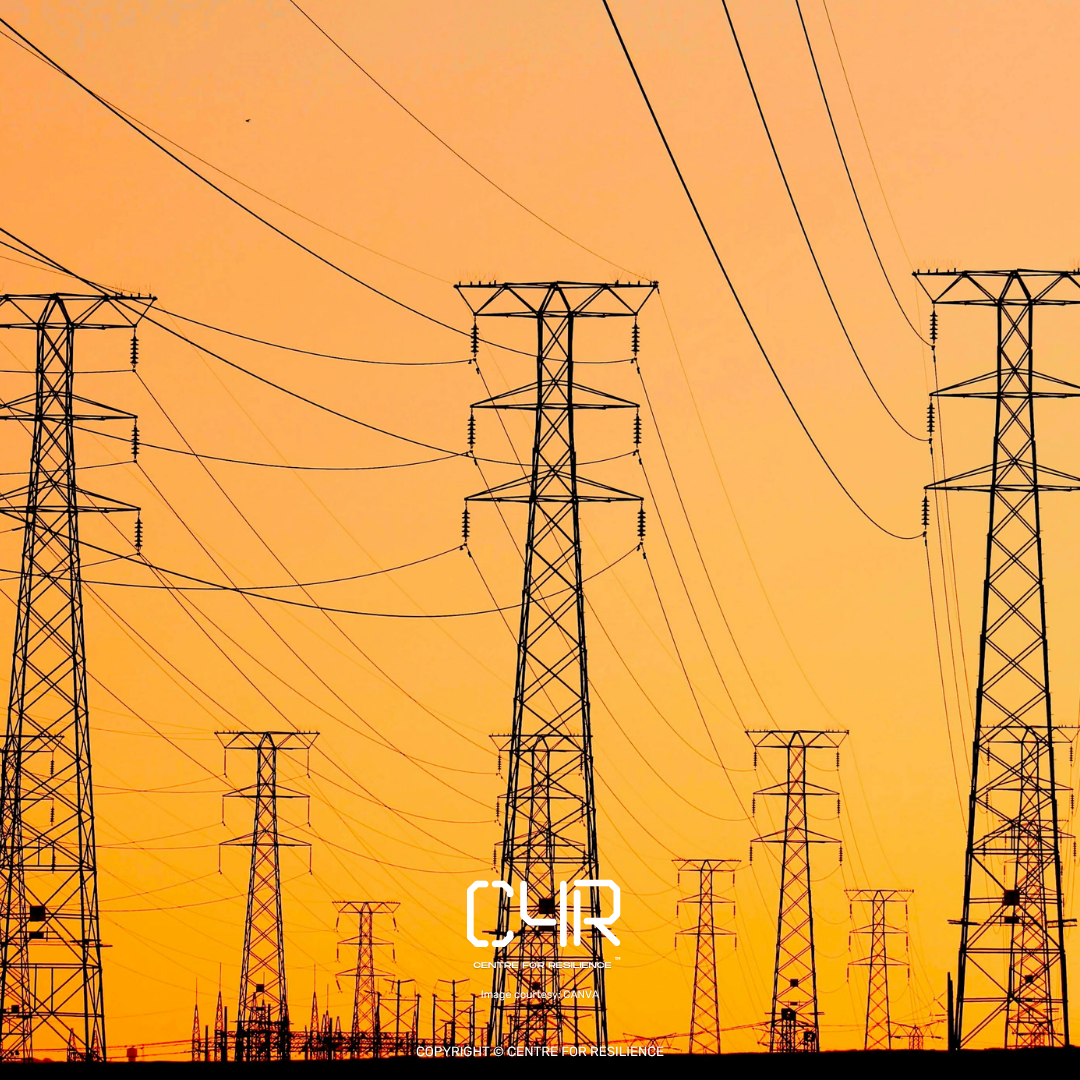
Image Courtesy Canva
South Australia’s Competitive Advantage
South Australia’s competitive advantage is not one factor. It is the combination of factors.
1. Renewable energy leadership
South Australia’s renewable energy penetration is a genuine differentiator. AI infrastructure developers increasingly need access to clean power at scale. South Australia can offer renewable energy credibility that many competing locations cannot.
2. Renewable project pipeline
The $32.5 billion large-scale renewable energy pipeline gives South Australia a platform to convert data centre demand into bankable clean energy investment, provided projects bring additional generation and firming rather than simply taking existing supply.
3. Grid and transmission geography
Locations such as Bundey, the Mid North, Whyalla, Stirling North and Tailem Bend are being considered because of their relationship to transmission, renewable energy zones, interconnectors and industrial energy infrastructure.
4. Battery and firming capability
South Australia’s experience with grid-scale batteries, virtual power plants and renewable integration gives it credibility in managing variable energy systems. The Firmus-Gunvor model, if delivered as claimed, demonstrates how AI demand can help underwrite new renewable generation and battery storage.
5. SMAP subsea cable and digital connectivity
The SMAP cable gives Adelaide a stronger position in national and international data connectivity. This is important for AI, cloud services, defence, space, advanced manufacturing and sovereign digital infrastructure.
6. Defence, space and AI ecosystem
South Australia is not just offering cheap land and power. It has defence, space, cyber, AI research, machine learning, advanced manufacturing and university capability. This creates a stronger local demand case and a stronger sovereign capability case.
7. Policy intent and first-mover positioning
By releasing a Data Centre Strategy and proposing dedicated legislation, South Australia is signalling to investors that it wants this sector. That is useful, but the legislation must be robust enough to protect energy consumers, water systems, land use and communities.
What Needs To Occur For This To Work
1. New energy for new demand must be enforceable
Every major data centre should be required to prove that its demand is matched by new renewable generation, new firming, storage and demand response. This should be independently verified and reported annually.
2. Data centres must pay their own way
Grid upgrades, water infrastructure, backup systems, road upgrades and connection costs should not be socialised onto households and small businesses. The Commonwealth expectation that developers pay their full share of grid and infrastructure costs should be embedded in South Australian approvals.
3. Water use must be transparent before approval
Each project should disclose expected construction water, operating water, cooling technology, potable versus non-potable water, emergency water requirements, drought resilience and exact water source. Closed-loop or dry cooling claims should be tested by independent technical review.
4. Land use must be tested against housing, freight and food production
South Australia should not repeat the mistakes emerging in Sydney, where data centres are now being debated against housing and logistics land. Regional locations may reduce this conflict, but they do not remove it. Agricultural land, freight routes, future housing growth and regional industrial strategy should be assessed before approval.
5. Host communities must receive visible benefit
Local communities should receive clear benefits: skilled jobs, apprenticeships, TAFE and university pathways, local procurement, emergency services contributions, council rates, digital inclusion programmes, community infrastructure, regional housing planning and transparent reporting.
6. Sovereign capability must be part of the bargain
If South Australia hosts major AI compute infrastructure, then South Australian universities, researchers, start-ups, defence-adjacent firms, health innovators, manufacturers and public-interest organisations should have structured access pathways.
7. Security and resilience should be embedded
AI data centres should be treated as critical infrastructure. Approval should include physical security, cyber security, backup power, fire risk, heat risk, bushfire exposure, water interruption, grid outage, supply-chain disruption and hostile actor scenarios.
8. Speed should not weaken scrutiny
A streamlined approval pathway can be justified, but only if it creates clarity and accountability. Fast approvals with weak conditions would damage public trust. Fast approvals with higher standards could become South Australia’s competitive edge.
C4R - CENTRE FOR RESILIENCE Position
South Australia has a real competitive advantage in AI data centres.
But that advantage is not simply “cheap land and renewable power”. It is the ability to combine clean energy, grid innovation, regional development, fibre connectivity, defence, space, AI research, skills development and public-interest governance.
If South Australia gets this right, AI data centres could help underwrite new renewable energy, strengthen the grid, support regional jobs, deepen sovereign compute capability and position the state as a serious Indo-Pacific digital infrastructure location.
If South Australia gets it wrong, AI data centres could intensify pressure on water, land, energy prices, housing delivery, regional communities and construction capacity.
The resilience test is simple.
Do these projects strengthen the systems South Australia depends on?
If yes, they should proceed under strong conditions.
If no, they should be redesigned, relocated, delayed or refused.
Resilience Lens:
AI resilience is physical before it is digital. South Australia can become a leading AI infrastructure state, but only if data centres are planned as part of the energy, water, land, housing, logistics, digital, defence and regional development system.
UPCOMING EVENT:
A special in-camera event on this topic will be held in the coming months.
Sign up to be included on our events here - Sign Up
Sources:
ABC News - South Australian Government data centre strategy, proposed legislation, water and energy concerns, Mid North and Whyalla opportunity, and Northern Water relevance.
South Australian Department for Energy and Mining - renewable energy share, 100% net renewable electricity aspiration and $32.5 billion renewable project pipeline.
Department of State Development - SMAP subsea cable and its relevance to defence, space, AI and advanced manufacturing.
SUBCO - SMAP technical capacity, cable route, fibre pairs, security and hyperscale network positioning.
IREN - 800MW Bundey data centre campus, transmission connection, target energisation from 2028, jobs and Asia-Pacific connectivity claims.
Firmus Technologies - 600MW energy supply agreement linked to 1.2GW of new renewable generation and 1.5GWh of battery storage by 2032.
Australian Government - national expectations for data centres and AI infrastructure developers, including national interest, energy transition, water, jobs, research and local capability.
Guardian Australia - national risks around land competition, inflation, housing, freight and logistics.
About C4R™ - CENTRE FOR RESILIENCE :
C4R™- CENTRE FOR RESILIENCE provides curated, source-based analysis and reporting, combining verified news with strategic insight and resilience-focused interpretation. For in depth analysisof topics like these reach out to C4R™.
C4R™ - CENTRE FOR RESILIENCE is an independent, Australian-based Think Tank initiative advancing economic, social, infrastructure and leadership resilience through research, measurement and practical programs with business, government and community partners.
Media enquiries: via the C4R Contact page.