
EU-China trade talks sharpen around rare earths and supply-chain dependence
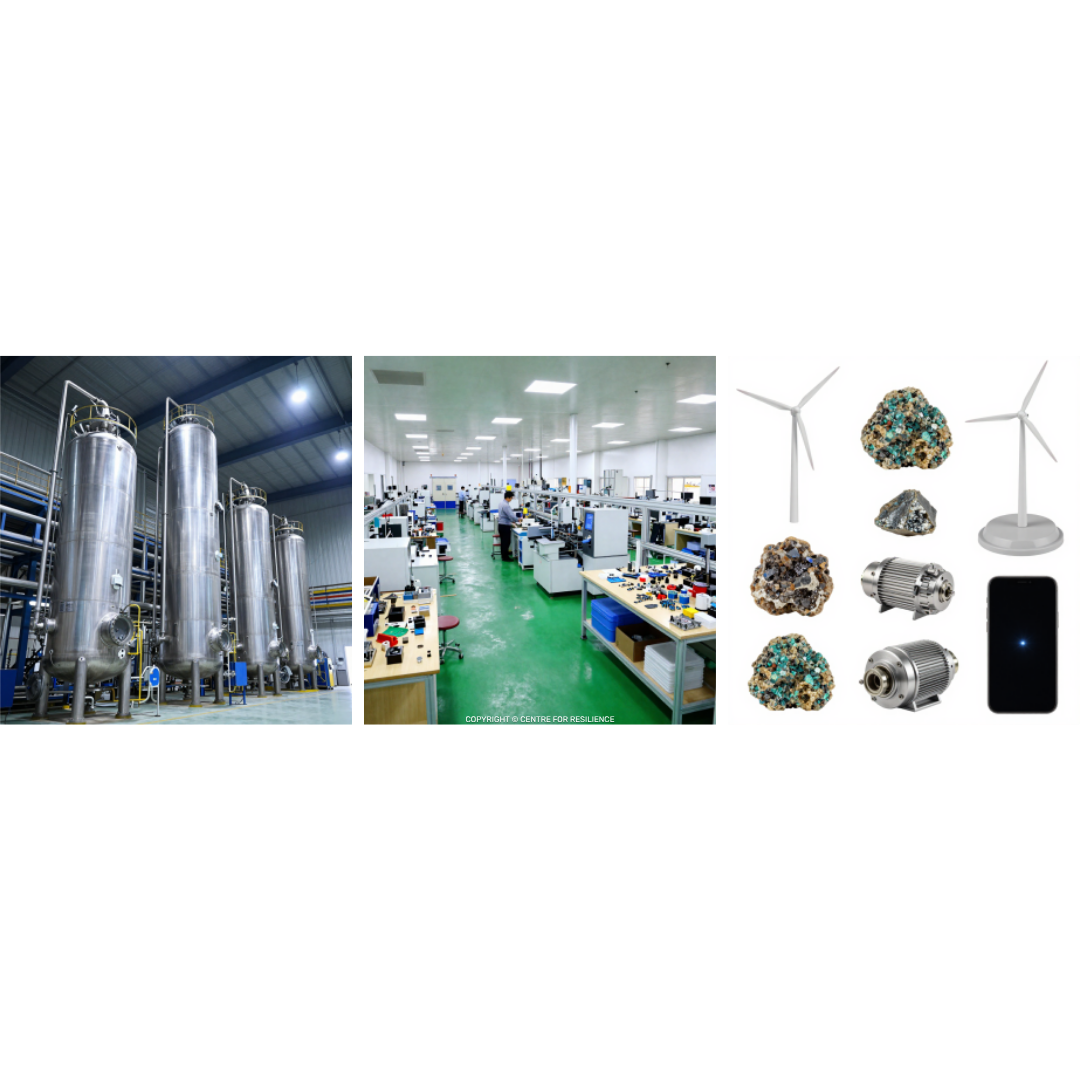
Image Courtesy Canva Ai
Europe’s rare earth problem is not that it lacks rocks. It lacks control over the industrial steps that turn those rocks into functioning defence systems, wind turbines, electric vehicles, electronics and advanced manufacturing capability.
Europe has not been affected by rare earth restrictions in a simple or linear way. This is not a case of one shipment being delayed and one factory being short of material. The more serious issue is that rare earth dependence is embedded across the European industrial system.
The pressure point is processed rare earths and permanent magnets. These sit inside electric motors, wind turbines, defence systems, aerospace components, semiconductors, electronics, industrial machinery, sensors and advanced manufacturing equipment. Many European manufacturers do not buy rare earths directly. They buy components that contain rare earths several tiers down the supply chain. That makes the exposure harder to see, harder to manage and harder to replace quickly.
This is why China’s export restrictions have had such a strategic effect. The immediate impact was felt in the automotive supply chain, where European suppliers reported production-line shutdowns and licence delays. But the wider concern is bigger than cars. It reaches into Europe’s defence readiness, clean-energy transition, digital infrastructure and industrial competitiveness.
The European Central Bank has warned that the euro area is exposed both directly and indirectly to Chinese rare earth supply. China supplies a large share of Europe’s direct rare earth imports, but the greater risk is hidden inside global supplier networks. Many European firms are only a few supplier links away from Chinese rare earth production, even where their immediate supplier is located outside China. This means Europe can appear diversified at the surface while still being concentrated at the processing and magnet stage.
The result is a new form of industrial vulnerability. A rare earth restriction does not need to become a full embargo to cause damage. Delayed licences, uncertain approvals, opaque procedures, higher prices and forced disclosure of sensitive supply-chain information can be enough to disrupt planning, increase costs and slow production. For manufacturers operating on tight margins and just-in-time delivery models, uncertainty itself becomes a form of supply-chain shock.
Europe’s response is now moving from trade diplomacy to resilience architecture. The Critical Raw Materials Act, strategic projects, procurement platforms, recycling initiatives, stockpiling and diversification tools are all attempts to rebuild strategic depth into the European industrial base. However, this will take time. Mining is only one part of the answer. Europe also needs refining, separation, magnet manufacturing, component integration, recycling and trusted partnerships.
The lesson is clear. Critical minerals are not just commodities. They are continuity inputs. Whoever controls the processing, licensing and magnet supply chain can influence the functioning of modern industry.
Resilience Lens:
The strategic issue is not whether Europe can buy rare earths today. It is whether Europe can maintain defence production, clean-energy deployment, automotive output and advanced manufacturing continuity when access to critical inputs becomes politically conditional.
The lesson for Australia is direct. Countries with critical mineral resources have strategic leverage, but only if they also build processing capability, industrial policy alignment and trusted supply partnerships.
UPCOMING EVENT:
A special in-camera event on this topic will be held in the coming months.
Sign up to be included on our events here - Sign Up
Sources:
Reuters - EU trade chief to host China’s commerce minister and rare earth supply concerns.
Reuters - EU leaders debate tougher measures on China trade imbalance and rare earth reliance.
Reuters - European Commission policy shift and diversification tools.
Reuters - current EU trade protection tools and critical supply exposure.
About C4R™ - CENTRE FOR RESILIENCE :
C4R™- CENTRE FOR RESILIENCE provides curated, source-based analysis and reporting, combining verified news with strategic insight and resilience-focused interpretation. For in depth analysisof topics like these reach out to C4R™.
C4R™ - CENTRE FOR RESILIENCE is an independent, Australian-based Think Tank initiative advancing economic, social, infrastructure and leadership resilience through research, measurement and practical programs with business, government and community partners.
Media enquiries: via the C4R Contact page.